Complete Kosovo Guide
Kosovo fits in a nutshell, 10,900 km² in the heart of the Balkans, and that's precisely what makes its strength. From our agency in Pristina, we accompany travelers who discover in one week landscapes that change every 40 kilometers: the fertile plain around Pristina, the limestone massifs of Bjeshkët e Nemuna (Dinaric Alps) exceeding 2,500 meters in the northwest, the Rugova gorges, and the old Ottoman towns of Prizren and Gjakova.
Two things strike quickly. First, the youth of the country: average age under 30, terraces full at all hours in Pristina, dense café scene (a macchiato costs €1.20). Next, the density of heritage: four UNESCO sites including the Serbian Orthodox monasteries of Deçan and Gracanica, 14th-century frescoes, accessible with permits we manage in advance. Hiking is gaining ground with the Peaks of the Balkans, a 192 km cross-border trail shared with Albania and Montenegro.
For a first visit, we recommend combining Pristina, Prizren, Rugova national park and a detour through the villages of the Lumbardh valley. Allow 7 to 10 days to do it properly.
The regions of Kosovo
Each region has its own personality: climate, landscapes, pace of life and ways of traveling. Our local team helps you choose the combination that suits you.
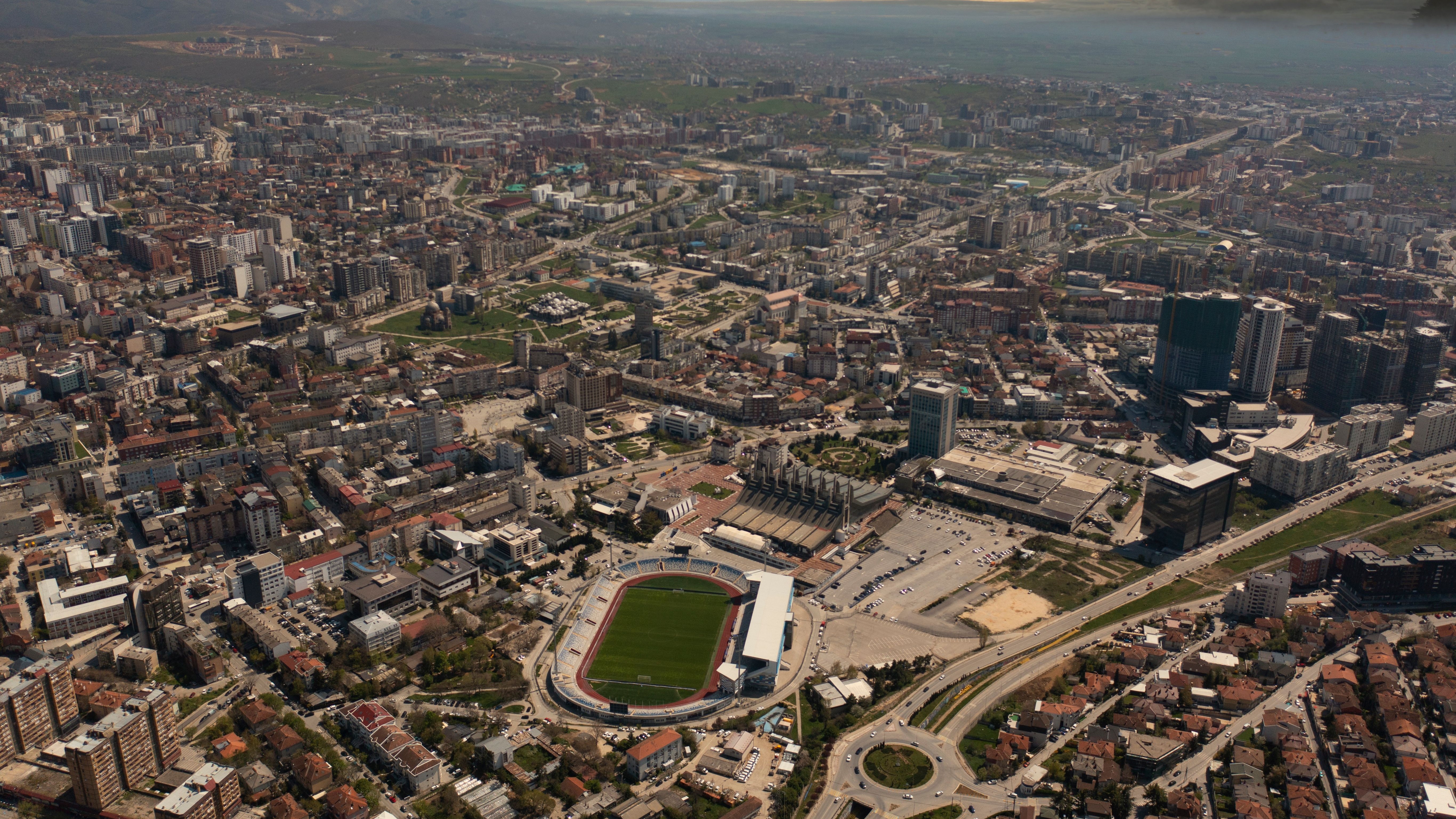
Pristina and centre
Pristina, a young and vibrant capital, concentrates the country's political, university life and café scene. Around it, central Kosovo offers stops rich in history: Gracanica and its 14th-century UNESCO monastery 10 km south, Janjevo and its old Croat-Albanian houses, Novo Brdo and its medieval fortress. Average altitude 600 meters, hot summers (up to 32°C in July), snowy winters. A good base to start a circuit: international airport, comfortable hotels around 60 to 90 € per night, and many restaurants where you can taste flija or tavë kosi.
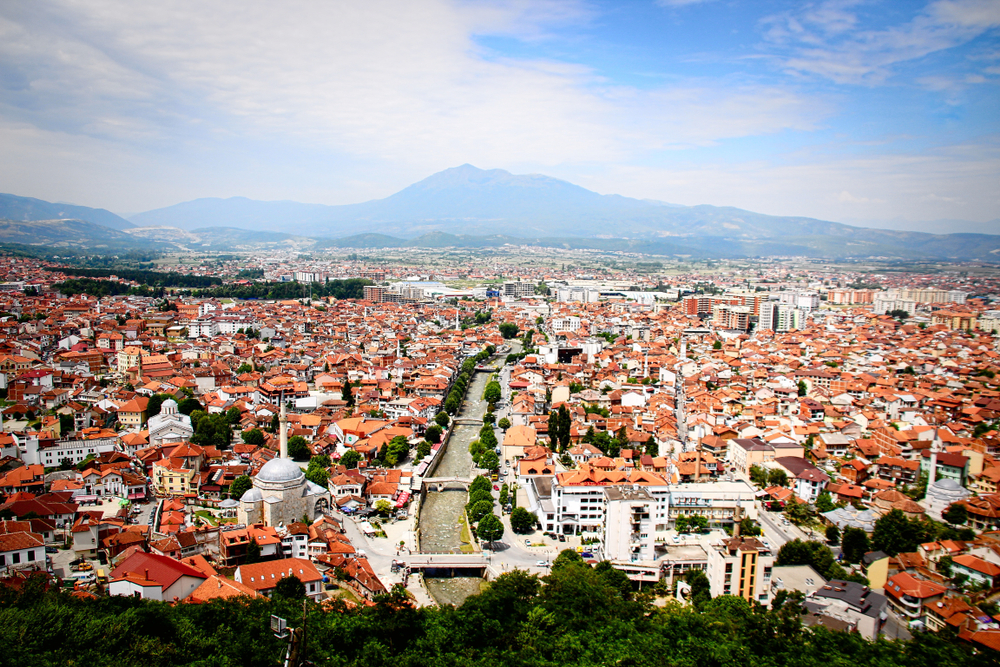
Prizren and South
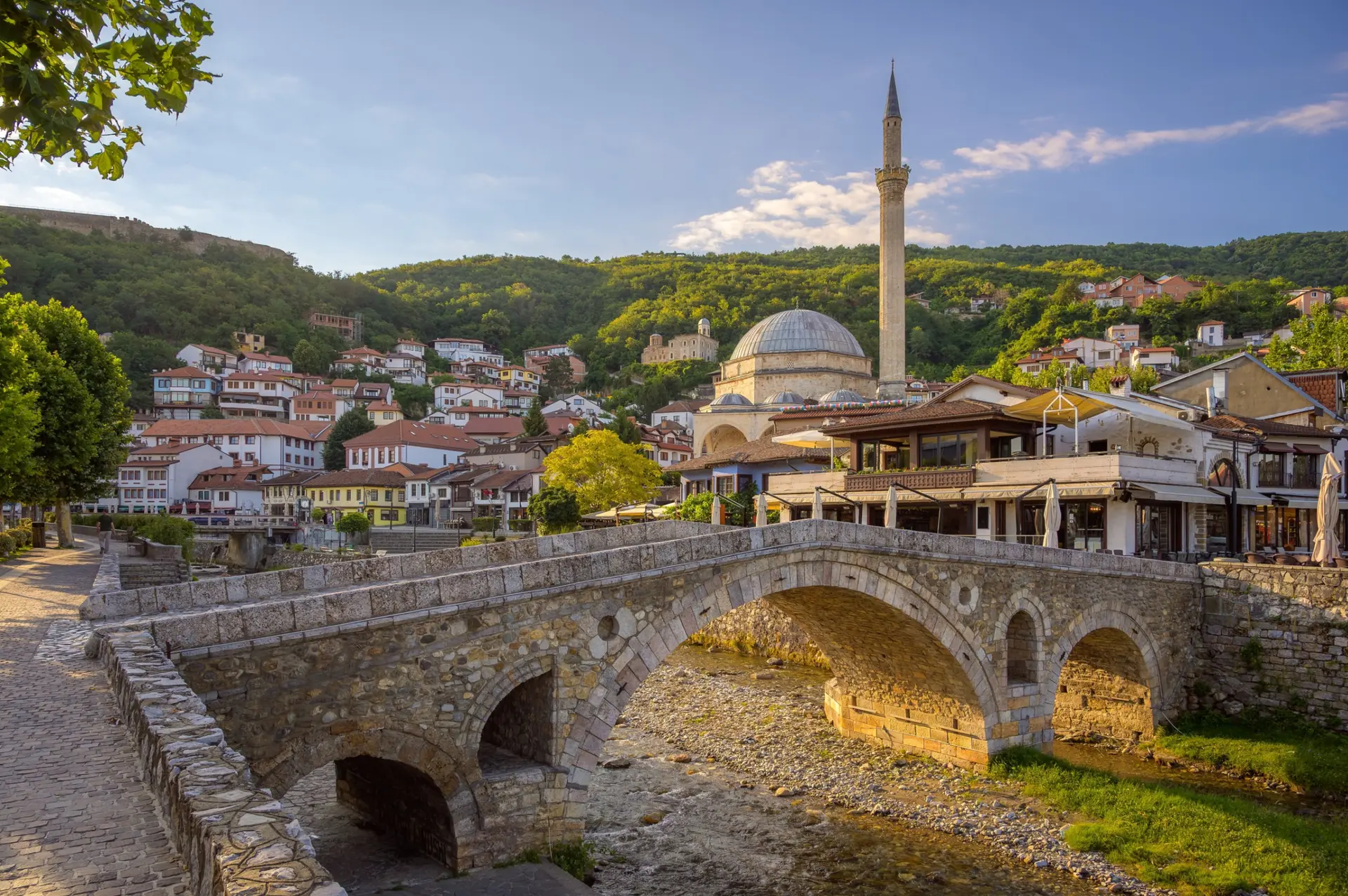
Prizren is the most photogenic city in the country: an Ottoman stone bridge, the Sinan Pacha Mosque from 1615, and a fortress perched above the Bistrica River. With its mixed population (Albanian, Turkish, Bosnian), the city hosts DokuFest each August, a documentary film festival that transforms the riverbanks into open-air cinemas. Further south, the villages of the Sharr Mountains rise to 2,700 meters and offer hiking across pastures still grazed by shepherds. Mild summers at altitude, and Sharr cheese to taste with the locals. Plan for a minimum of two nights in Prizren and a day trip to Brezovica.
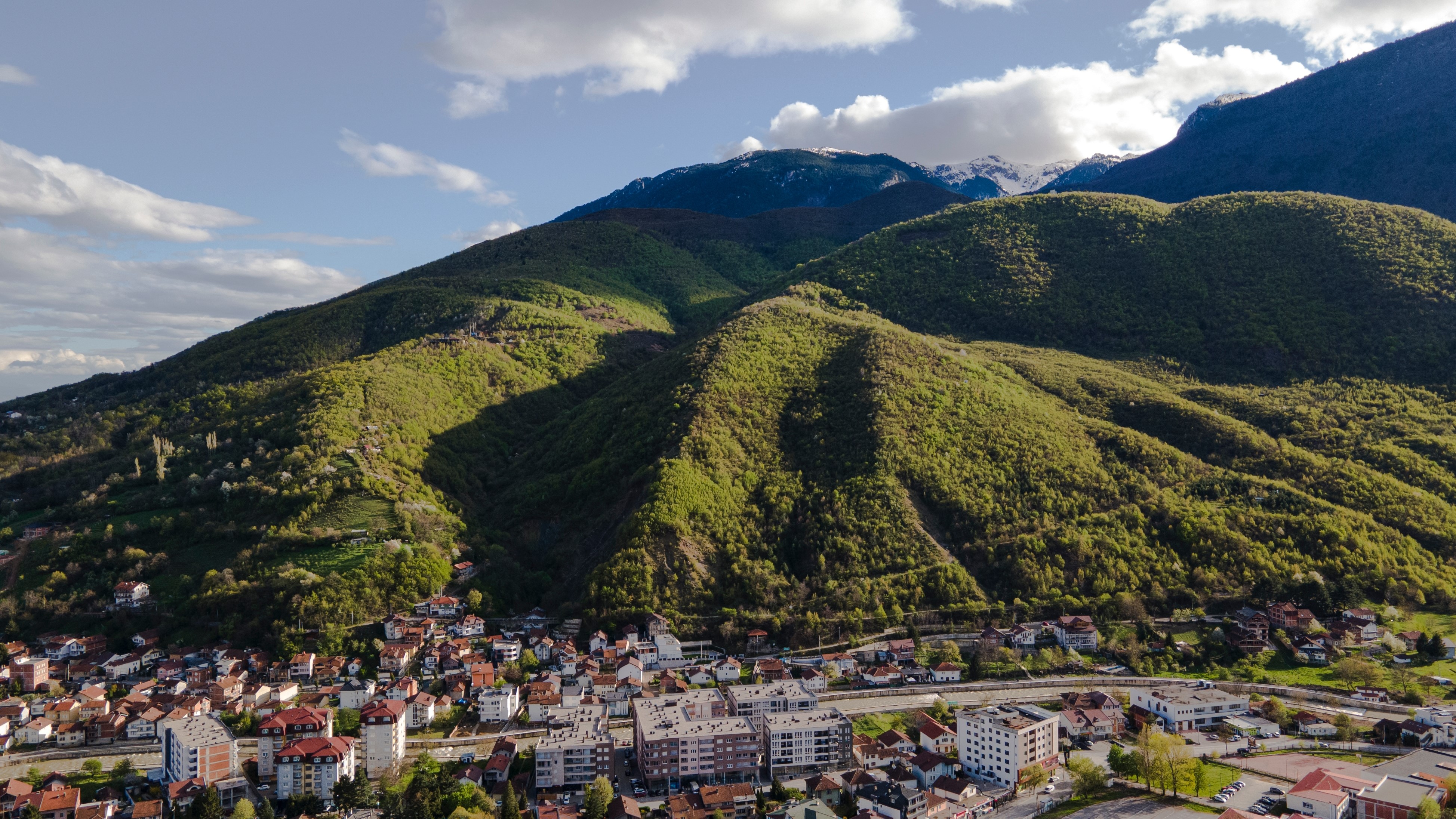
Peja and Dinaric Alps
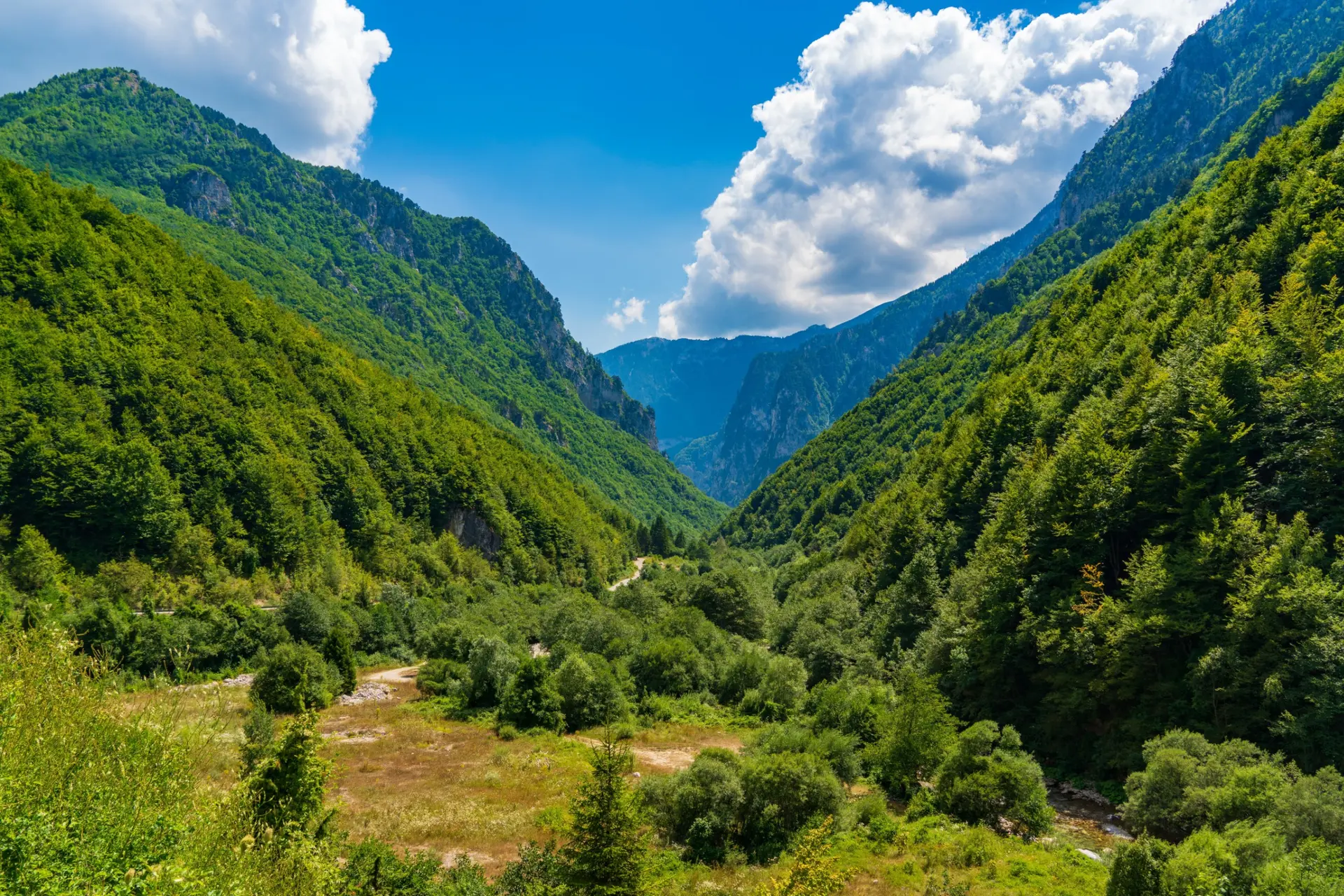
Peja (Pejë) opens the door to Bjeshkët e Nemuna, the Kosovar Dinaric Alps. The Rugova Gorge plunges 25 km into the massif, with 1,000-meter cliffs, via ferrata, and villages like Reka e Allages where you can stay with local families for €25 to €35. The Patriarchal Monastery of Peja, also UNESCO-listed, houses remarkable medieval frescoes, access subject to authorization. It's the Kosovar starting point for the Peaks of the Balkans. Hiking season from mid-June to mid-October, cool nights at altitude even in summer. Our top pick for hikers.
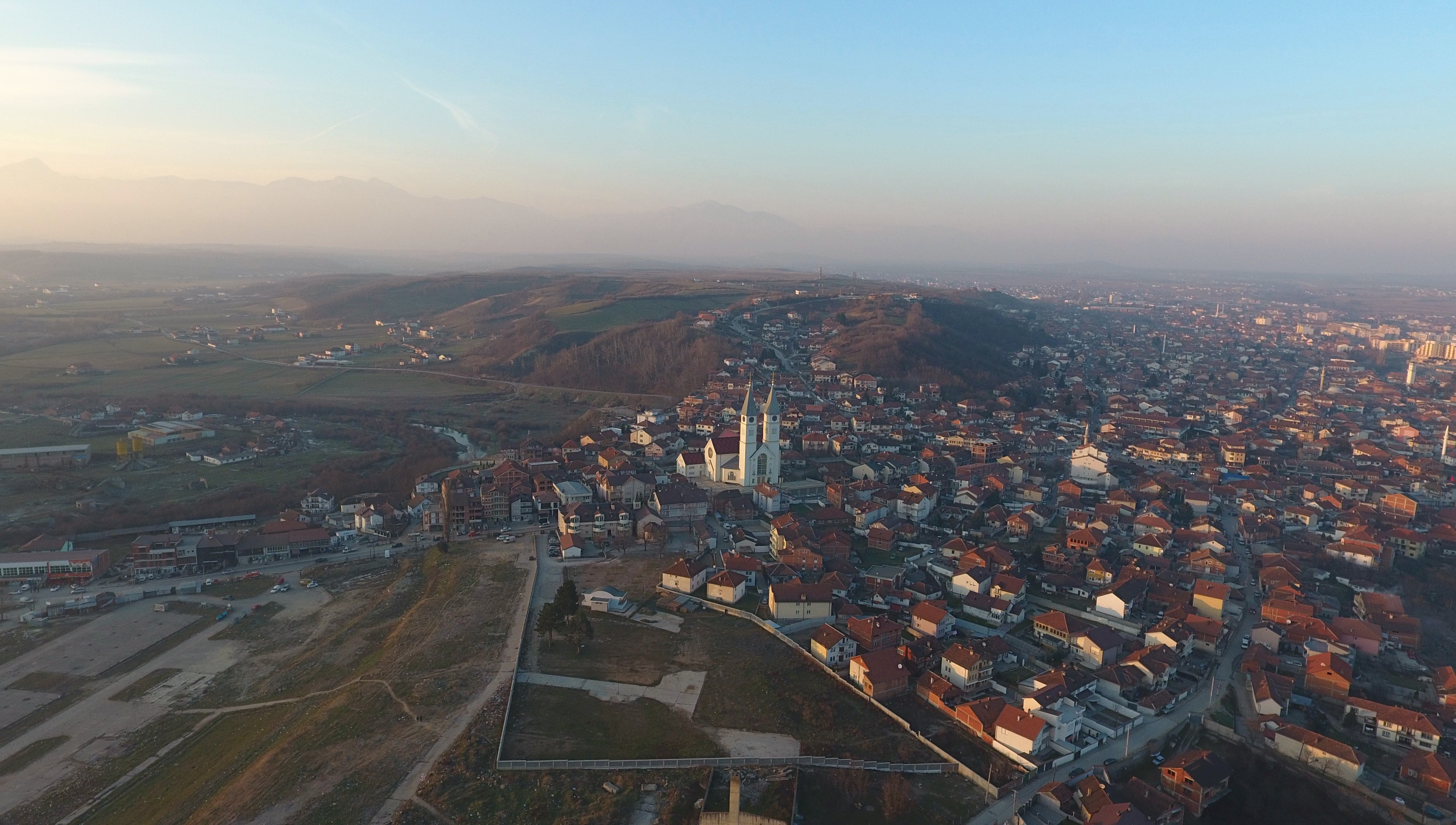
Gjakova and West
Gjakova preserves one of the longest Ottoman bazaars in the Balkans, the Çarshia e Madhe, rebuilt after 1999, with 500 meters of artisan shops, blacksmiths and tailors. The city serves as a stopover between Prizren and Peja. Nearby, the Deçan monastery (Visoki Deçani), UNESCO-listed, houses one of the best-preserved Byzantine fresco collections in the Balkans, with secure access that we arrange. A milder climate than the mountain ranges, with vineyards around Rahovec where the vranac grape produces full-bodied reds to taste in cellars from €8 per bottle.
Mitrovica and North
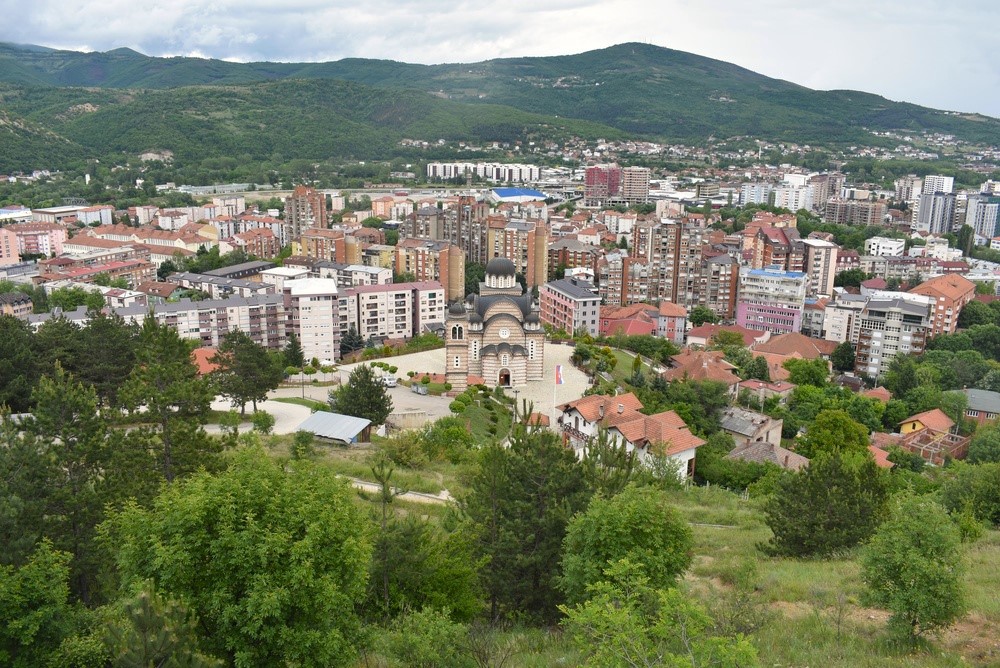
Mitrovica divides and intrigues. The Ibar River separates the predominantly Albanian south from the predominantly Serbian north, connected by a bridge that has become a symbol. Visiting Mitrovica allows you to understand the complexity of contemporary Kosovo better than any museum. Further north, Mokra Mountain National Park (Bjeshkët e Mokrës) offers beech forests and rarely visited glacial lakes. We recommend visiting with a local guide: the sites gain much from being explained, and some access points require recent reconnaissance.
Explore by theme
Unique experiences tailored to every traveler.
Culture & Heritage
Temples, musées, sites historiques
Nature & Landscapes
Parcs nationaux, montagnes, forêts
Sea & Beaches
Littoral, îles, sports nautiques
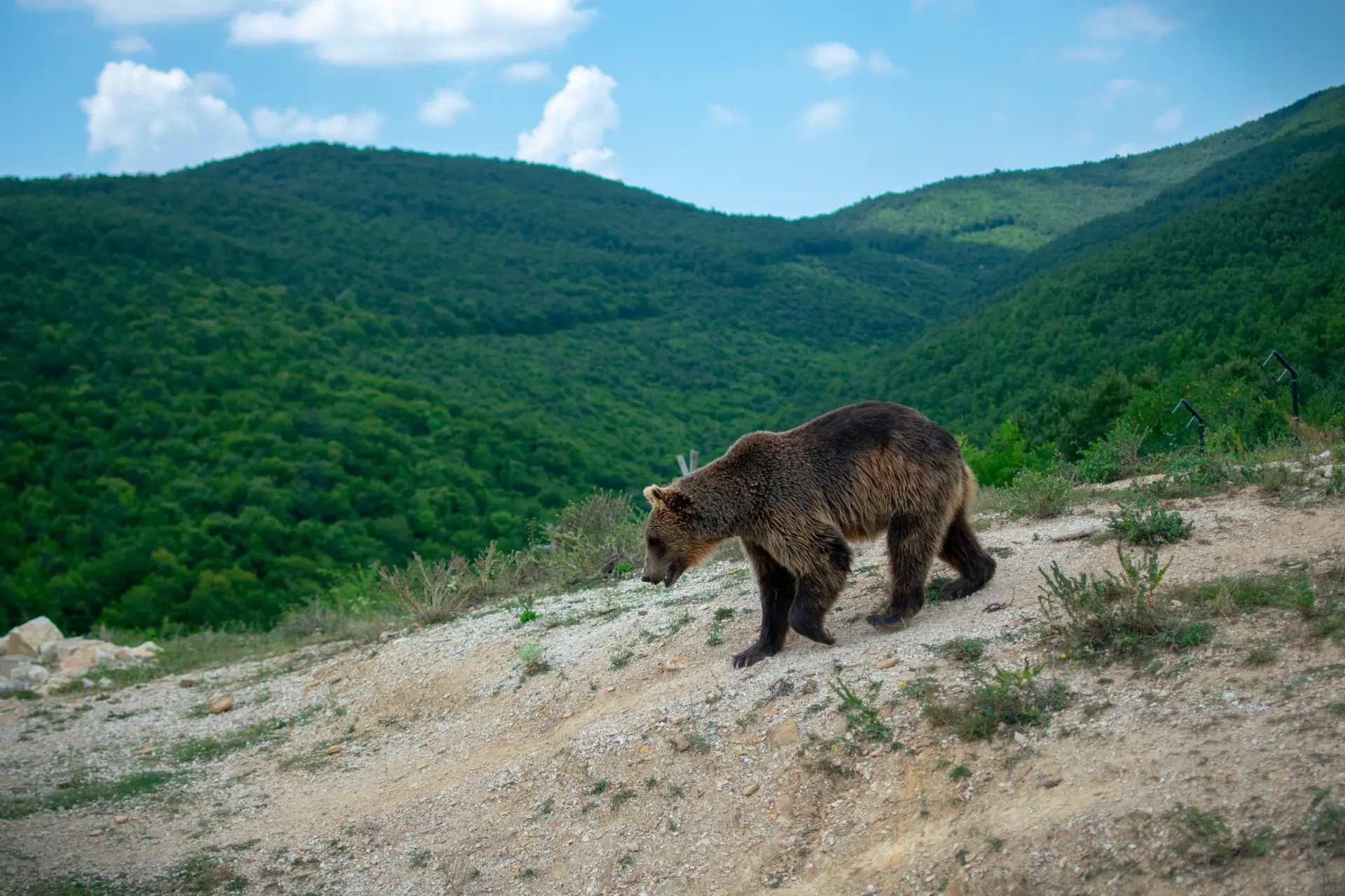
Wildlife & Biodiversity
Observation animale, sanctuaires, réserves
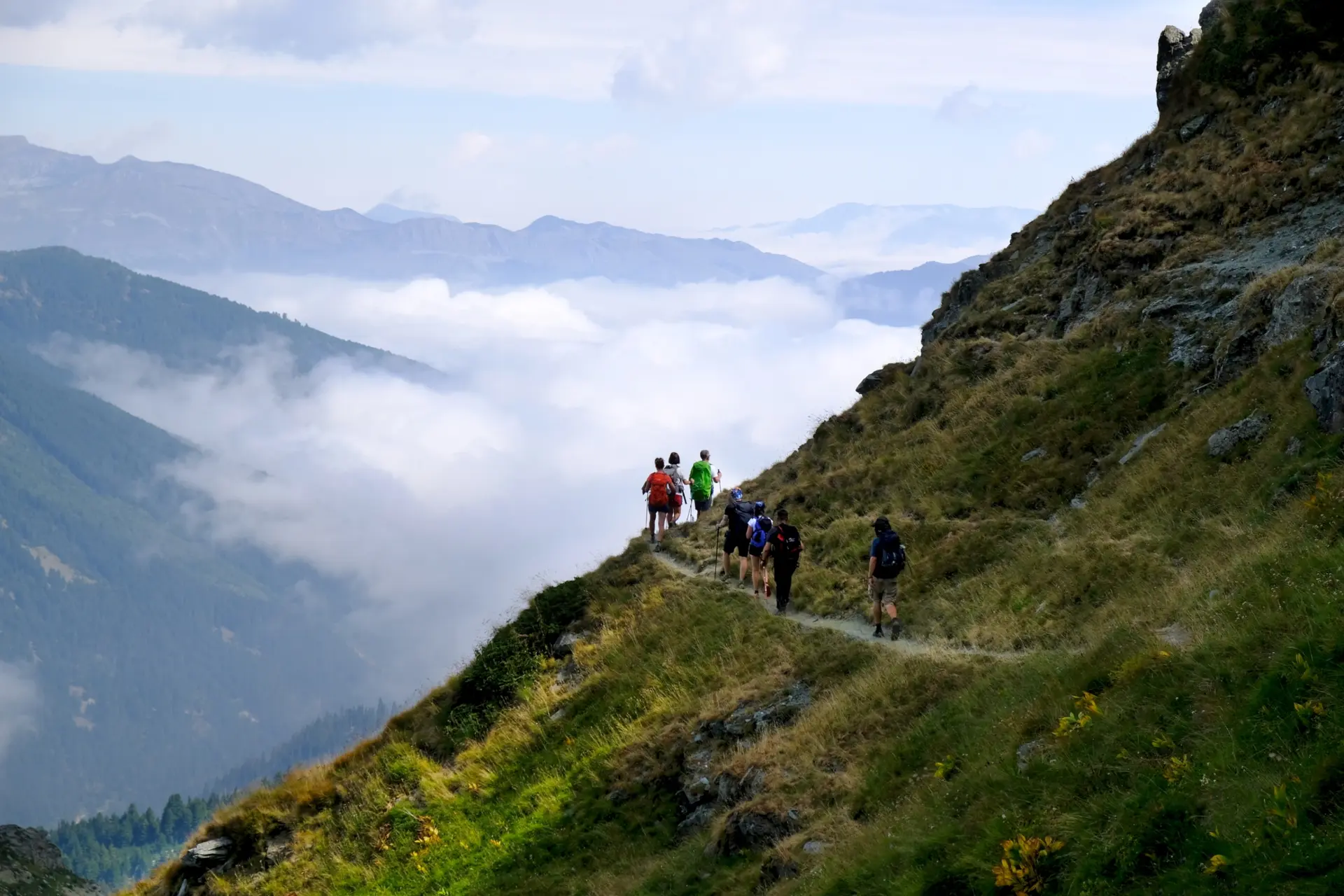
Activities & Adventure
Trek, kayak, escalade, sports outdoor
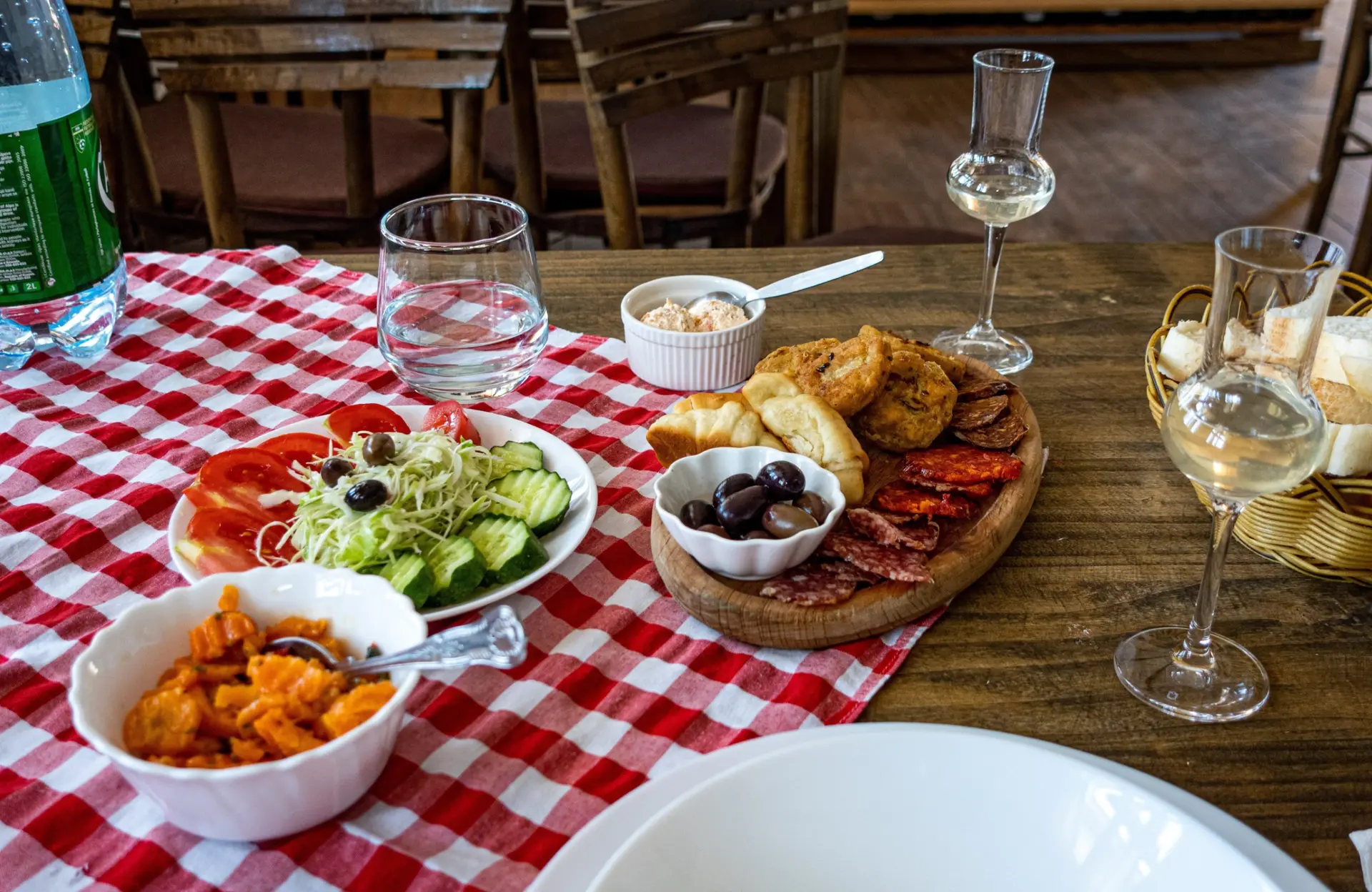
Gastronomy
Cuisine locale, marchés, cours de cuisine
We use cookies to improve your experience and measure our site's audience. You can choose what you accept. Learn more.