Novo Brdo Fortress
A former medieval mining town 30 km from Pristina, Novo Brdo Fortress preserves ramparts, ruins of a Gothic cathedral, and sweeping views over the hills of eastern Kosovo.
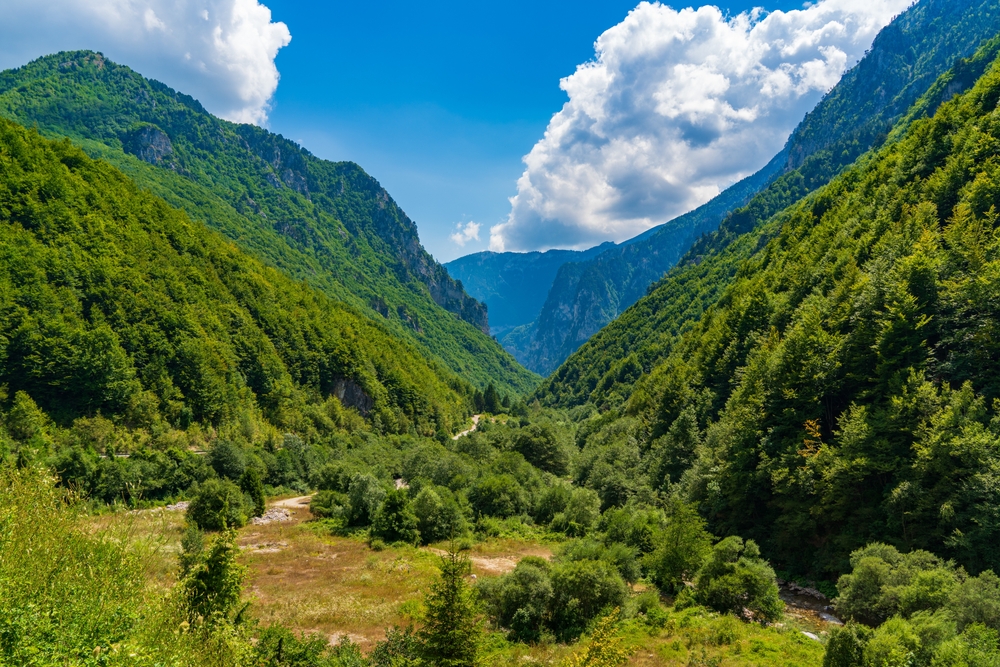
Perched on a hillside roughly thirty kilometers east of Pristina, Novo Brdo Fortress commands a fertile valley in central Kosovo. A medieval remnant of a city once among the wealthiest in the Balkans thanks to its silver and gold mines, it offers a breathtaking panorama of the surrounding hills and rare testimony to medieval Serbian military architecture.
Quick Reference
- Access: by car from Pristina, road toward Gjilan/Gnjilane, signposted turnoff to Novo Brdo.
- Recommended duration: 1.5 to 2 hours to explore the ramparts and interior ruins.
- Attire: hiking shoes recommended, uneven terrain.
What You'll See
Partially restored stone ramparts encircle a plateau where the foundations of a Gothic cathedral, an Orthodox church, and several civic buildings remain. Two main towers frame the entrance. Vegetation has claimed much of the ruins, giving the site a particular atmosphere straddling archaeology and nature.
History and Context
Novo Brdo reached its zenith in the 14th and 15th centuries under Serbian despots. Its mines produced silver and gold exported to Ragusa (Dubrovnik) and Venice. The city then numbered several thousand inhabitants, a cosmopolitan population of Saxon, Ragusan, and Serbian merchants. The Ottomans captured it in 1441, then definitively in 1455 after a siege led by Mehmed II himself. Decline set in rapidly following the conquest.
Highlights of Your Visit
The Ramparts and Towers
The partially accessible rampart walk allows you to trace the stone walls and observe their construction in limestone rubble. The two main towers, one of them circular, illustrate the defensive techniques of the medieval Balkans.
The Gothic Cathedral Ruins
The foundations and a few carved elements testify to Western Gothic influence, reflecting the presence of Catholic Ragusan and Saxon merchants in the medieval city.
The Valley Panorama
From the ramparts' highest points, views extend over the wooded hills of eastern Kosovo. In late afternoon, raking light accentuates the landscape's relief.
Photography Tips
Late afternoon light is ideal for photographing the stone ramparts from the exterior. For panoramic views of the valley, position yourself on the north tower. The interior ruins, partially shaded by vegetation, photograph best at midday.
Location and Access
The fortress stands on the Novo Brdo municipality, approximately 30 km east of Pristina. Public transport access is limited; a car remains the most practical means. The site is signposted from the main Pristina–Gjilan road. Terrain around the ramparts is uneven, making access difficult for people with reduced mobility.
Nearby
- Pristina Center — Kosovo's capital, about thirty kilometers away, with its museums and lively urban culture.
- Gračanica Monastery — a masterpiece of 14th-century Serbian Byzantine architecture, a UNESCO World Heritage site, approximately twenty kilometers to the west.
Frequently asked questions
Spring and autumn offer pleasant temperatures and vegetation that enhances the ruins. Summer can be hot; bring water and a hat.
Yes, hiking or light trekking shoes are strongly recommended. The ground is irregular, with stones and grassy slopes.
Yes, both sites are easily visited in one day from Pristina. Start with Gračanica in the morning, then head to Novo Brdo in early afternoon.
No known restrictions on amateur photography. The site is open-air and freely accessible in its open areas.
Access is difficult for people with reduced mobility due to uneven terrain and a lack of specific accommodations.
Interested in this visit?
We can include it in your personalised itinerary.