Peja and the Dinaric Alps
Kosovo's western gateway: 25 km of limestone gorge, a UNESCO-listed Byzantine monastery and the Kosovo starting point of the Peaks of the Balkans.
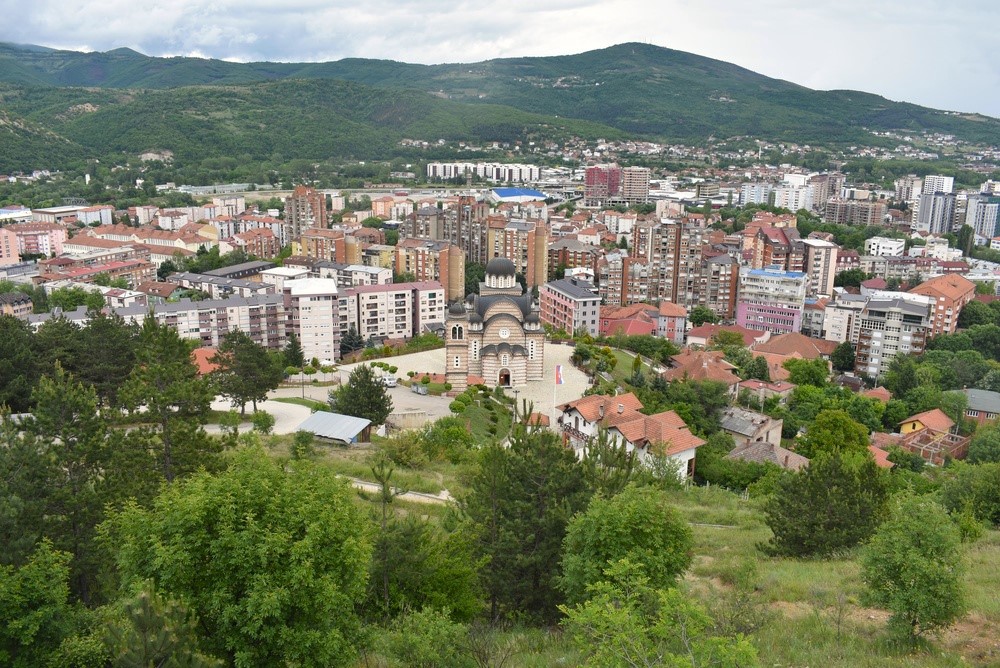
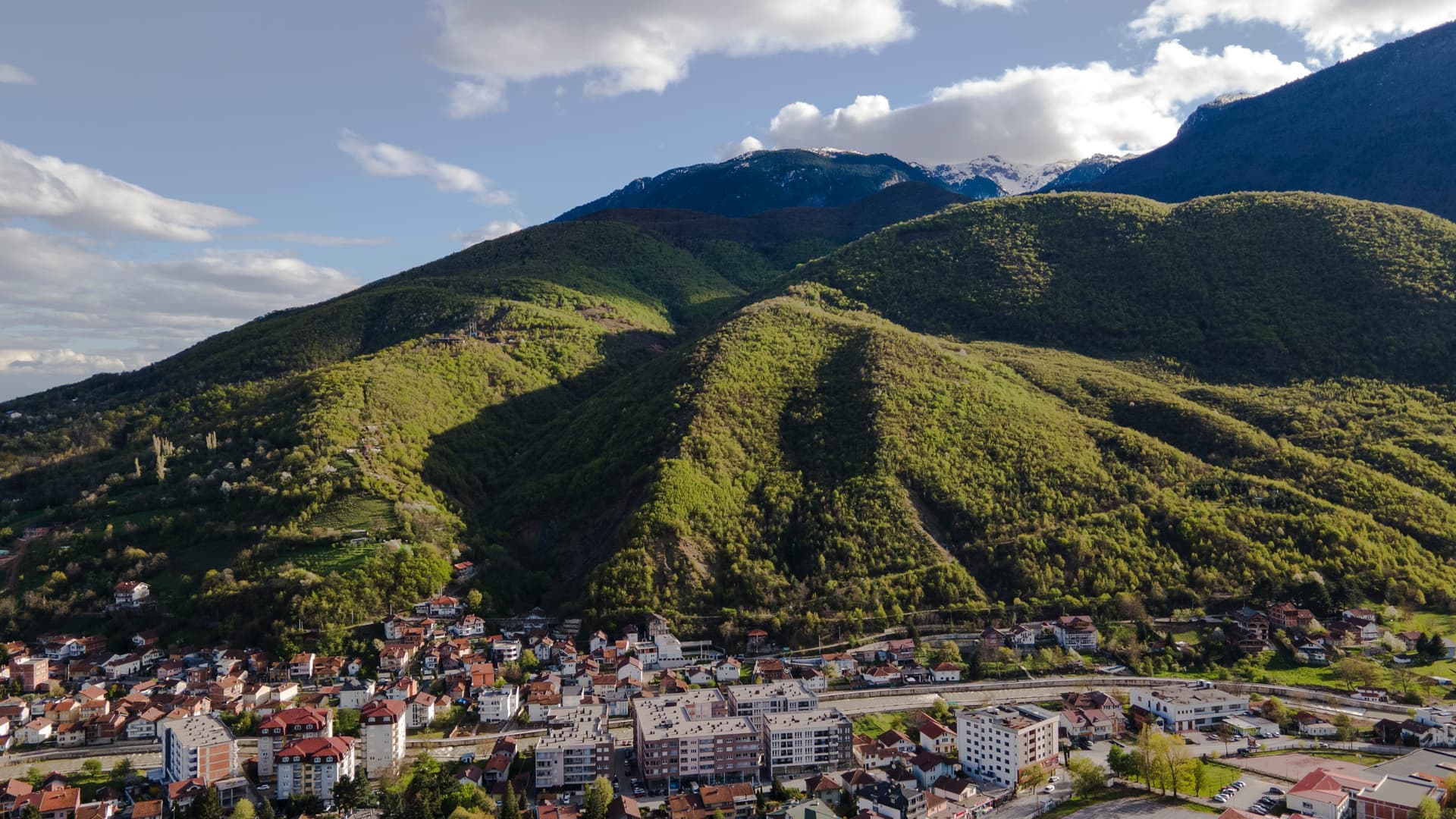
Peja, which locals still often call Pejë or Peć depending on the language, stretches at the foot of the Bjeshkët e Nemuna massif, Kosovo's Dinaric Alps. The city of 50,000 inhabitants sprawls across a plain at 520 metres elevation, dominated by a limestone wall that climbs abruptly towards 2,500 metres. It is this topographical boundary that defines the entire region: within just a few kilometres, you transition from apple orchards and city-centre cafés to high-altitude pastures where shepherds still drive their flocks up each summer.
Our team based in the capital considers Peja the country's western gateway, 85 km from Pristina via a well-maintained road (approximately 1h30). The Rugova Gorge forms its backbone: over 25 km, the Lumbardhi i Pejës torrent has carved a fissure with vertical walls rising 1,000 metres, traversed by an asphalt road to the village of Boge. It is the most practical access point for high-altitude hikes, without needing to walk for hours to reach the foot of the mountains.
Local culture blends Albanian valley traditions with the pastoral heritage of the Reka, the heartland of high mountain villages. In Reka e Allages, Drelaj or Kuçishtë, several families have opened their homes as bed-and-breakfasts; count on 25 to 35 euros per night with two meals. The table revolves around flija (layered flatbread cooked under a cast-iron lid), aged sheep's cheese, and stream-caught trout. In Peja itself, you're more likely to taste qebapa from the bazaar and local Peja beer, brewed since 1971 with spring water from the gorge.
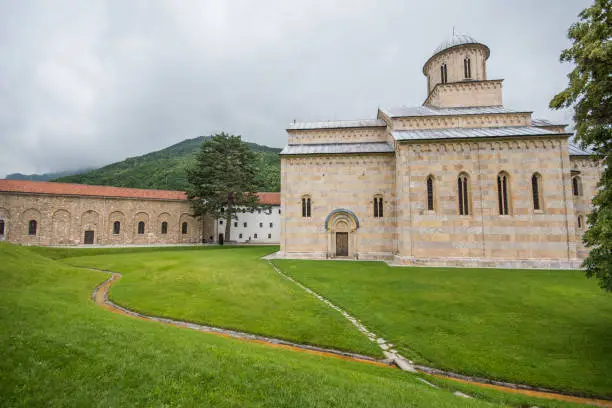
The Peja Patriarchal Monastery, UNESCO-listed since 2006, houses four adjoining churches dating from the 13th and 14th centuries. The frescoes in the Church of the Holy Apostles rank among the best-preserved Byzantine ensembles in the Balkans. Access is by authorization, with identity checks at the entrance, and the Serbian Orthodox monastic community still lives there. The site, politically sensitive, requires discreet behaviour: we provide visitors' names to the guardians in advance to streamline entry.
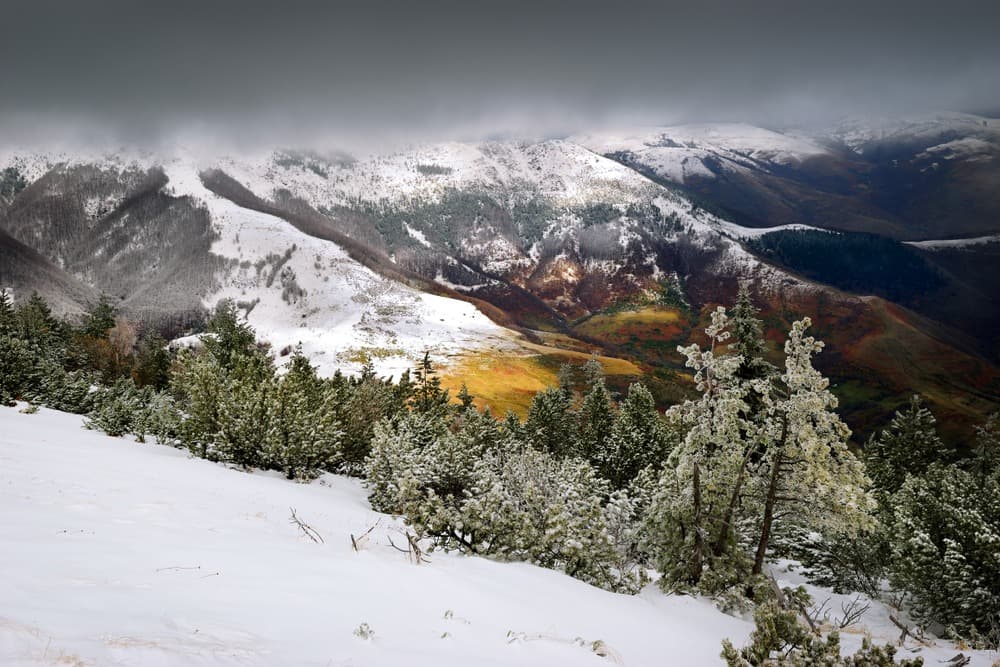
The region is also the Kosovo starting point of the Peaks of the Balkans, a 192 km cross-border trail looping between Kosovo, Montenegro and Albania in 10 to 12 days of walking. Many hikers do only a section, such as the crossing of Roshkodol Pass towards Theth, two days' walk with a night in a mountain hut. Shorter variants from Reka e Allages, towards Liqenat Lake or Hajla summit (2,403 m), can be done as day walks.
The local economy remains shaped by mountain agriculture, timber work and slowly but steadily growing tourism. The return of young families to high-altitude villages, long abandoned after the 1998-1999 war, depends largely on this seasonal activity. Visiting Peja also means supporting this movement.
Must-sees
Rugova Gorge and via ferrata. 25 km of limestone canyon with 1,000-metre-high walls, traversed by road and five equipped via ferrata routes; the most accessible (Marimangat e Pejës) takes 2h30 with a guide.
Peja Patriarchal Monastery. Four Serbian Orthodox churches from the 13th-14th centuries clustered within an enclosure, with Byzantine frescoes of the Dormition and the Last Judgment. Access by authorization, exit via the south gate towards the gorge.
Overnight stay with locals in Reka e Allages. High-altitude village at 1,200 m where about ten families host hikers. Dinner around flija, morning departure towards Liqenat Lakes or Kuqishta Pass.
Section of the Peaks of the Balkans. Kosovo's stretch of the cross-border trail towards Theth in Albania, crossing of Roshkodol Pass at 1,700 m, two days' walk with a night in a staffed mountain hut.
Peja bazaar and brewery. The old bazaar still holds Saturday mornings: sheep's cheese, mountain honey, plave (pickles). Birra Peja brewery, founded in 1971, can be visited by appointment.
When to visit
The hiking season runs from mid-June to mid-October. Before mid-June, snowfields still block passes above 1,800 metres and several huts remain closed. In July-August, temperatures in Peja town reach 30-33°C in the afternoon, but drop to 12-15°C in high-altitude villages at night; bring a fleece even in mid-summer. September is our favourite month: days still long, 20-25°C in the valley, beech forests beginning to turn russet around the 20th, and huts lightly frequented.
From November to April, Rugova Gorge remains accessible by car but high-altitude trails are snow-covered. The small Boge ski station operates December to March (3 lifts, 350 m vertical), modest but enough for a half-day. Rain is concentrated in May and October, with monthly totals sometimes exceeding 120 mm; plan buffer days in your itinerary during these periods.
Practical advice
We recommend a minimum of three days to properly feel the region: one day for the monastery, bazaar and a short gorge walk, then two days at altitude from Reka e Allages or Kuçishtë. For those targeting the Peaks of the Balkans or several summits, allow 5 to 7 days. Access is by road from Pristina (1h30) or from Tirana via the Morinë border crossing and Gjakova (3h30 passing through Gjakova and the west).
Peja combines naturally with Gjakova and the west (45 minutes' drive) to extend the cultural dimension, or with Prizren and the south (2h) to loop a west-south circuit before heading back to Pristina. City comfort is reasonable if not luxurious: three 4-star hotels, around ten well-kept guesthouses. In the mountains, you stay in family-run inns or huts with shared bathrooms and hot water not always guaranteed. The region appeals primarily to hikers, religious heritage enthusiasts and travellers who accept simple comfort in exchange for direct contact with locals. Less suited to families with very young children if the goal is high-altitude hiking.