Prizren
Prizren
Nestled at the foot of the Šar Mountains, Prizren combines Ottoman mosques, UNESCO-listed medieval churches, and a vibrant artisan bazaar. Kosovo's second city, it is also the cultural capital of the country.
Prizren is Kosovo's second city, nestled at the foot of the Šar Mountains and crossed by the Bistrica River. A crossroads of Ottoman, Byzantine, and medieval Serbian influences, it brings together mosques, churches, hammams, and a remarkably well-preserved old town. This is where the country's cultural and artisanal heartbeat thrives, and where the DokuFest cinema festival—one of the Balkans' most significant—takes place each summer.
Quick Practical Guide
- Access from Pristina: approximately 80 km to the southwest, with regular bus connections from Pristina's main bus station.
- Recommended duration: one full day for the old town; two days to explore the surrounding region.
- Dress code: modest dress required in mosques and churches (shoulders and knees covered).
- Language: Albanian is predominant; Serbian and Turkish are also spoken in certain neighborhoods.
- Currency: euro (EUR).
Main Attractions
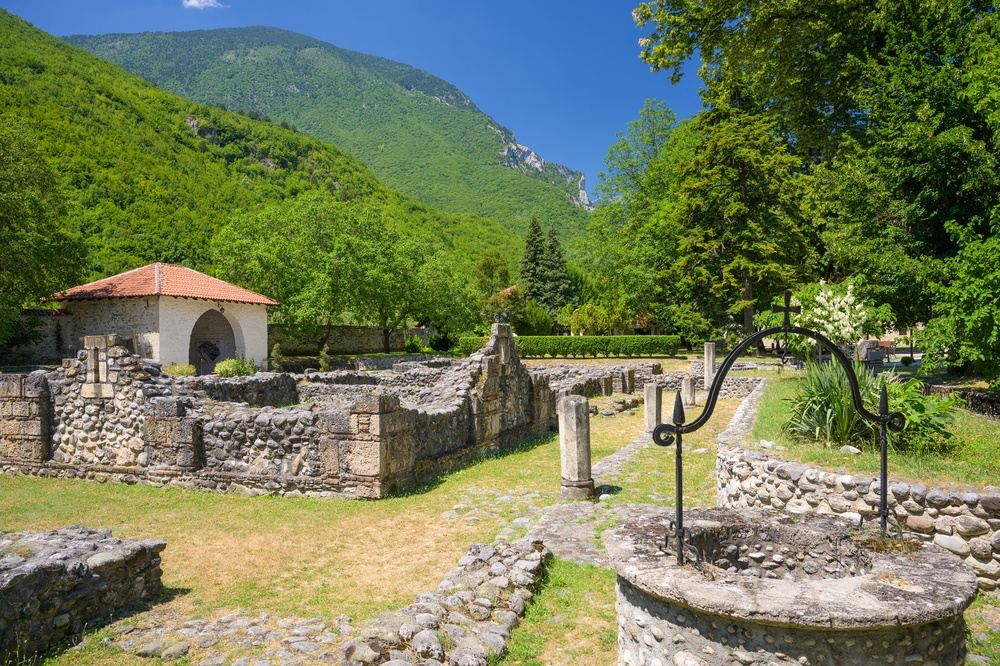
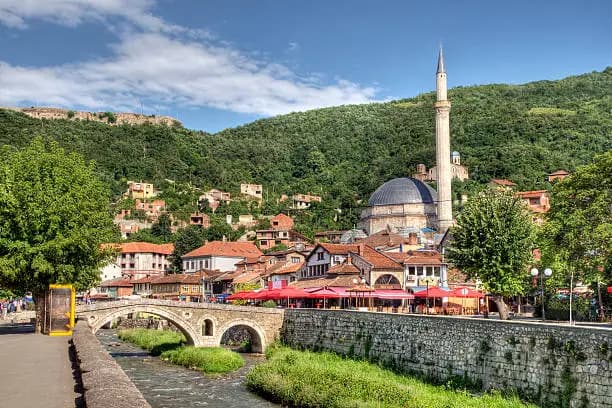
The old town (Çarshia) revolves around the Ottoman bazaar, cobbled alleyways, and overhanging timber-framed houses. The Sinan Pacha Mosque, built in the 16th century, dominates the right bank of the Bistrica. On the hillside, the medieval fortress offers panoramic views of tiled roofs and minarets. St. George's Church and the Orthodox Cathedral of Our Lady of Ljeviš, inscribed on UNESCO's World Heritage list, bear witness to the layering of different historical periods.
History and Context
Prizren served as the capital of the medieval Serbian kingdom under Tsar Dušan in the 14th century. The Ottoman conquest in the 15th century profoundly reshaped the city: mosques, hammams, and caravanserais proliferated. In 1878, the League of Prizren—the first Albanian national movement—was founded here. Today, the city remains a symbol of coexistence—sometimes fraught—between Albanian, Serbian, Bosniak, and Roma communities.
Highlights of Your Visit
Sinan Pacha Mosque
Erected in 1615 on the foundations of a Catholic church, this single-domed mosque is Prizren's best-preserved Ottoman monument. Its austere interior, with whitewashed walls, contrasts with the richness of its calligraphy.
Cathedral of Our Lady of Ljeviš
Built in the 14th century by King Milutin, this Orthodox church blends Byzantine and Romanesque architecture. Its partially restored medieval frescoes have been inscribed on UNESCO's World Heritage list since 2006. Access may be restricted depending on the season; inquire locally.
Prizren Fortress
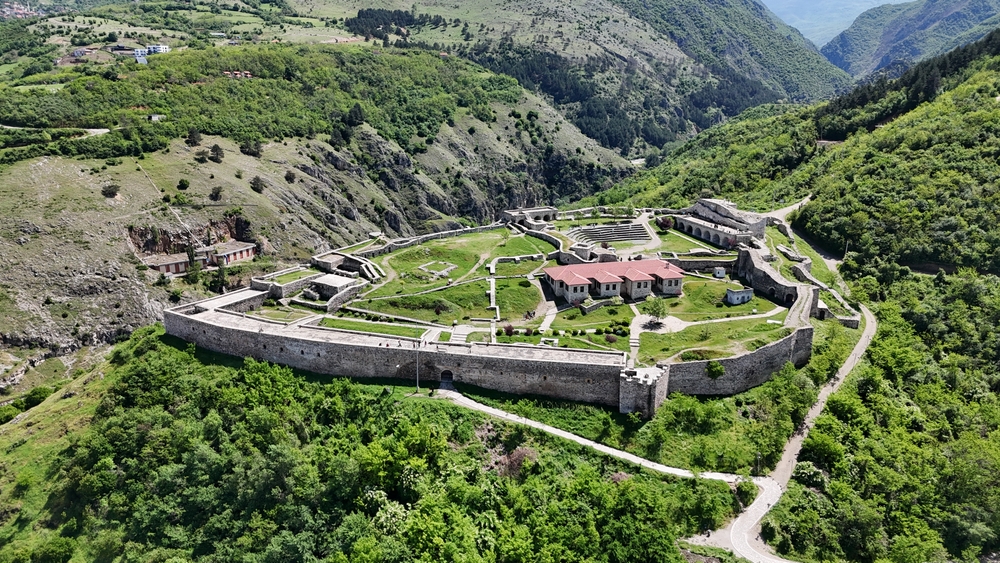
Perched on the hillside overlooking the city, the fortress dates partly from the Byzantine era and was later remodeled under Ottoman rule. The climb on foot from the bazaar takes about twenty minutes. The panorama over the old town and the Šar Mountains is the finest in the region.
The Bazaar and Craftsmanship
The çarshi (bazaar) houses goldsmiths, cobblers, and weavers. Prizren is renowned for filigrana, intricate silver filigree work, and for its traditional embroidery. Several family-run workshops remain active in the alleyways adjacent to the Sinan Pacha Mosque.
DokuFest
Each summer (typically in August), this international documentary and short film festival transforms the old town into an open-air cinema. Screenings on fortress walls, concerts, and debates enliven Prizren for an entire week.
Etiquette and Visit Guidelines
- In mosques: remove your shoes at the entrance, cover shoulders and knees, avoid visits during prayer times.
- In Orthodox churches: modest dress required, silence is expected, photography is sometimes prohibited inside.
- On the fortress: respect marked areas; some sections are undergoing restoration.
Photography Tips
Golden morning light is ideal for photographing the Ottoman bridges over the Bistrica and the bazaar facades. From the fortress, sunset reveals minarets and tiled roofs in warm light. Inside places of worship, always ask permission before taking photos.
Location and Access
Prizren lies in southwestern Kosovo, approximately 80 km from Pristina by road. Regular buses connect the two cities from Pristina's main bus station. The old town is entirely walkable from the center. The fortress requires a climb on a sometimes steep cobbled path, not well suited for those with reduced mobility. Local agencies offer guided tours in English from Pristina.
Nearby Attractions
- Dečani Monastery — Serbian Orthodox monastery from the 14th century, UNESCO-inscribed, approximately 35 km north of Prizren.
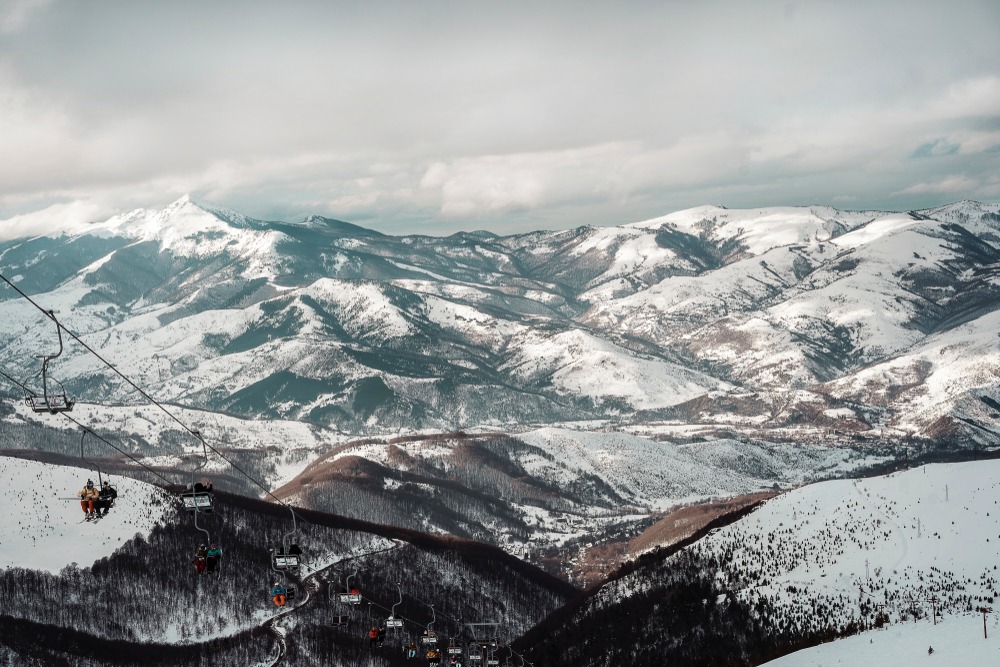
- Šar Mountains (Sharr) — border range with North Macedonia, ideal for summer hiking and alpine scenery.
- Gjakova (Đakovica) — neighboring town about 30 km away, known for its extensive Ottoman bazaar and leather craftsmanship.
Attractions in Prizren
Forteresse de Prizren (Kalaja e Prizrenit)
Dominant la vieille ville de Prizren, la forteresse médiévale offre un panorama sur les toits de tuiles et les minarets, avec des vestiges byzantins, serbes et ottomans à explorer à pied.
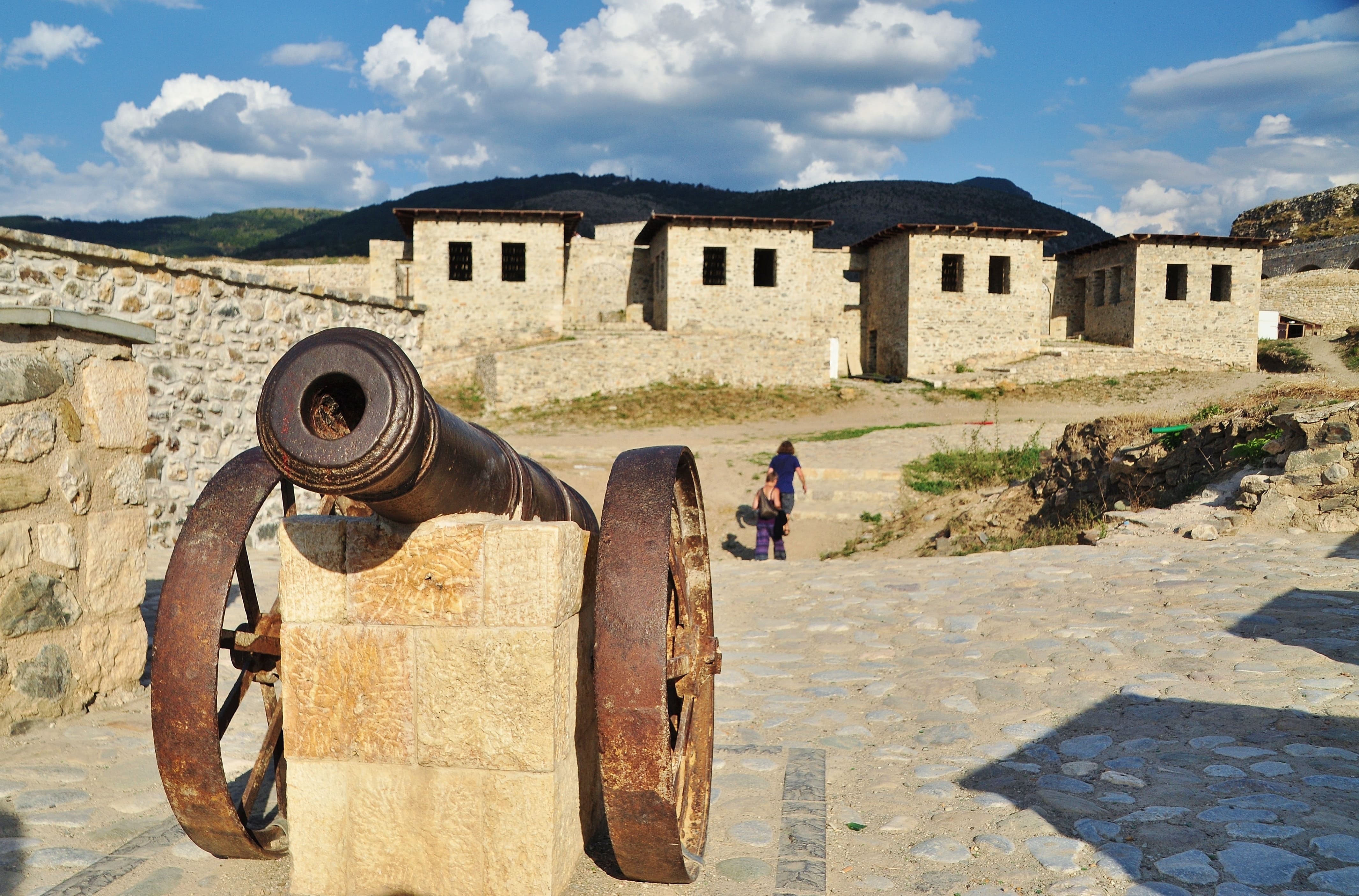
Forteresse de Prizren (Kalaja e Prizrenit)
Dominant Prizren depuis un éperon rocheux, la forteresse de Kalaja mêle vestiges byzantins, serbes et ottomans. Son panorama sur les toits de tuiles et les minarets de la vieille ville en fait un passage obligé lors d'une visite au Kosovo.
Want to discover this destination?
Our local advisors design your tailor-made trip.