Peja (Peć)
Peja (Peć)
Peja combines a vibrant Ottoman bazaar, the UNESCO-listed Patriarchal Monastery of Peć and the spectacular Rugova Gorges. Gateway to the Kosovo Alps, the city can be explored in a day or used as a base for mountain adventures.
Peja, known as Peć in Serbian, is Kosovo's third-largest city, nestled at the foot of the Dinaric Alps at the entrance to the Rugova Gorges. A crossroads between mountain and plain, it is home to the Patriarchal Monastery of Peć, one of the most important Serbian Orthodox sites in the Balkans, and a vibrant old Ottoman bazaar. The city also serves as a base for exploring the surrounding gorges and peaks.
Practical information at a glance
- Access: Regular buses from Pristina (approximately 1.5 hours) and from Prizren.
- Dress code: Covered clothing required for visiting the Patriarchal Monastery.
- Recommended duration: A full day for the city and gorges; two days if combining hiking.
- Language: Albanian predominant; Serbian understood in certain quarters.
What to see
The historic heart of Peja revolves around the old bazaar (Çarshia e Vjetër), one of Kosovo's best-preserved Ottoman bazaars, with its artisan shops, cafés and mosques. A few kilometres away, the Rugova Gorges offer a spectacular limestone canyon. The Patriarchal Monastery of Peć, inscribed on the UNESCO World Heritage list, stands at the entrance to the gorges.
History and context
Peja was a major commercial and religious centre under the Ottoman Empire. The Patriarchal Monastery, founded in the 13th century, served as the seat of the Serbian Orthodox Patriarchate for several centuries. The city suffered significant destruction during the 1998-1999 conflict; much of the bazaar and residential districts have been rebuilt since. Today, Peja is a predominantly Albanian-speaking city, but its Serbian Orthodox heritage remains protected.
Highlights of your visit
The Patriarchal Monastery of Peć
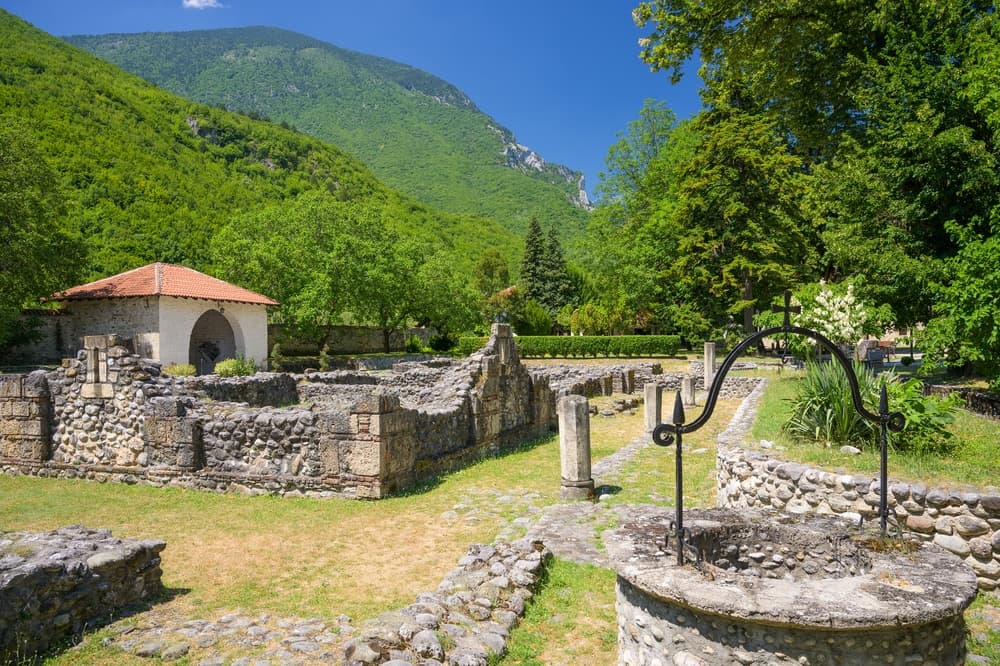
Listed on the UNESCO World Heritage list, this complex comprises three adjoining medieval churches adorned with Byzantine frescoes from the 13th-14th centuries. Serbian Orthodox nuns still live there. Access is under KFOR escort or with site guards; check access conditions before your visit.
The old bazaar
Peja's Ottoman bazaar is one of Kosovo's most lively. Goldsmiths, cobblers and roasted coffee merchants rub shoulders with restaurants serving local cuisine. The Bajrakli Mosque, at the heart of the bazaar, dates from the 17th century.
The Rugova Gorges
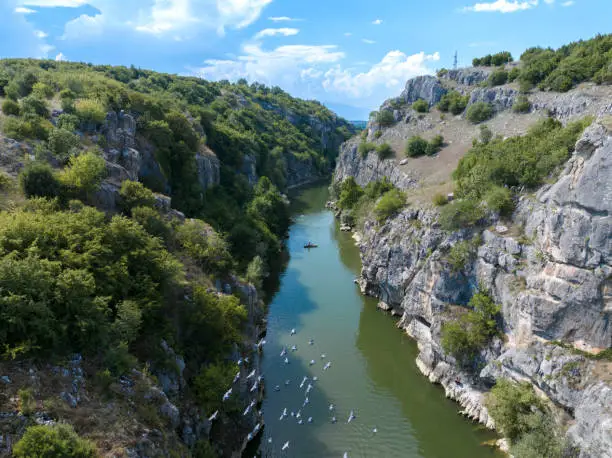
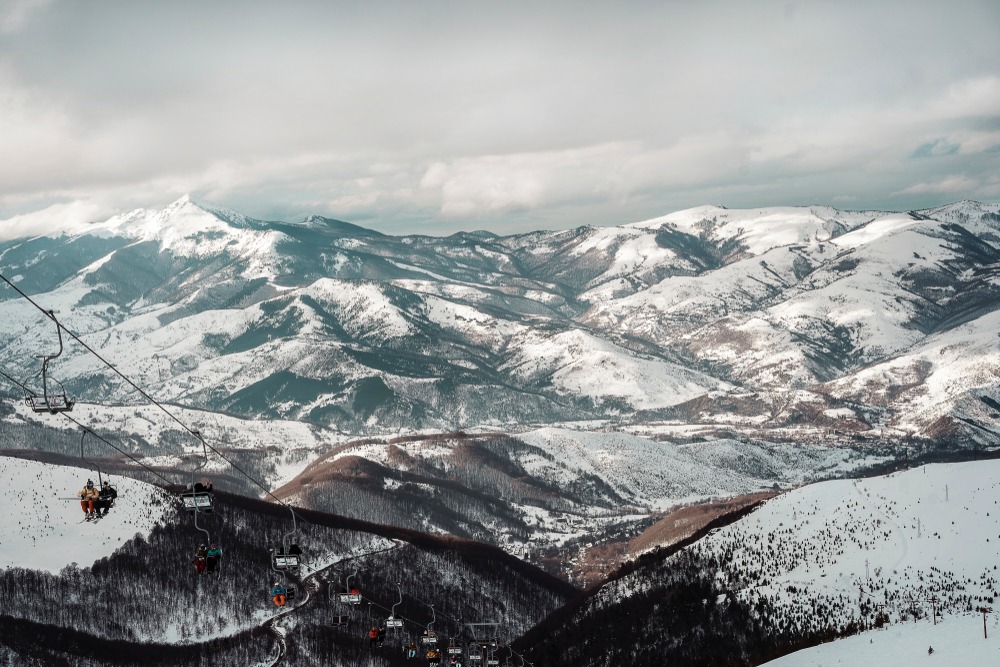
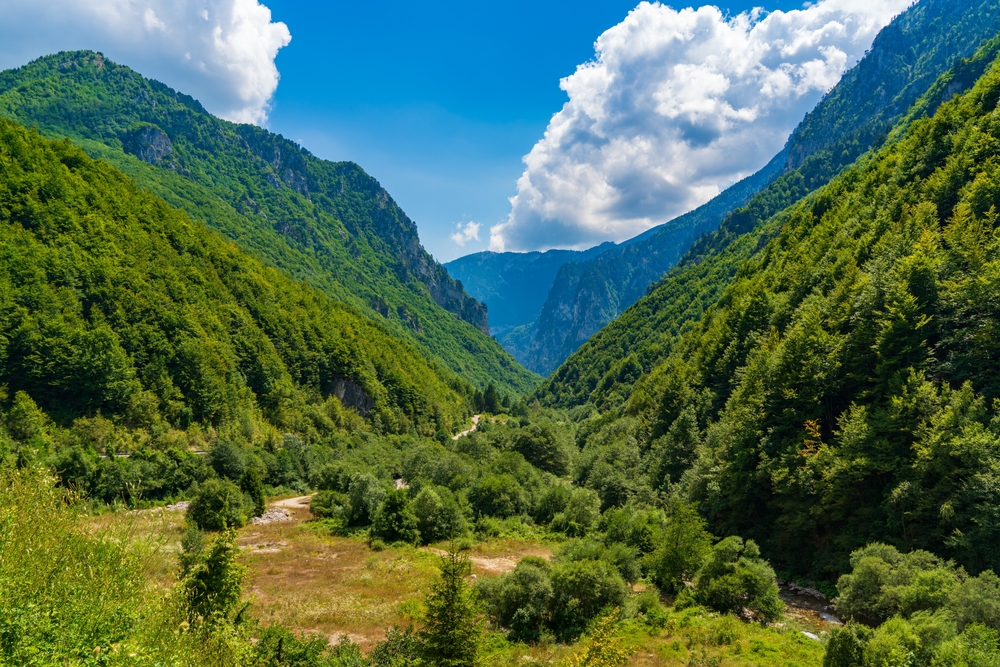
A few kilometres from the centre, the road runs along the Lumbardhi river through a canyon with steep limestone walls. Hiking trails lead towards altitude villages and mountain refuges in the Kosovo Alps (Bjeshkët e Nemuna). In winter, Brezovica ski resort is accessible from Peja.
Etiquette and visiting rules
- At the Patriarchal Monastery: shoulders and knees covered, silent behaviour, photographs subject to permission on site.
- In bazaar mosques: shoes to be removed, modest attire, avoid prayer times.
- The monastery site is managed by an active religious community; respect displayed opening hours.
Photography tips
Morning light is ideal for photographing the monastery façade before crowds arrive. In the Rugova Gorges, low-angle light in late afternoon accentuates the limestone relief. In the bazaar, craftsmen at work offer good subjects mid-morning.
Location and access
Peja is located in western Kosovo, on the border with Montenegro. The city is connected to Pristina by a national road and frequent bus services. The pass into Montenegro via Čakor is passable in summer. The city centre is accessible on foot; the gorges and monastery require a vehicle or taxi.
In the surrounding area
- Prizren — Kosovo's best-preserved Ottoman city, about an hour to the south.
- Rugova Gorges — limestone canyon at the town's doorstep, starting point for alpine hikes.
- Pristina — Kosovo's capital, with its museums and vibrant urban life.
- Dečani Monastery — UNESCO-listed medieval Serbian monastery, about twenty kilometres south of Peja.
Frequently asked questions
Spring (April-June) and autumn (September-October) are the most pleasant periods: mild temperatures, lush gorges and few tourists. Summer is warm and lively; winter allows for skiing in the surrounding area.
Yes, but access may be accompanied by guards or KFOR depending on the security situation. Check with your local agency before visiting. Covered clothing is mandatory.
It's possible but tight. Better to spend half a day in each town, or plan an overnight stay in Peja to also visit the Rugova Gorges.
Yes. The Rugova Gorges begin a few kilometres from the centre. Marked trails lead up to altitude villages and mountain refuges in the Kosovo Alps, suitable for different levels.
Peja is generally safe for tourists. As throughout Kosovo, it is advisable to follow the recommendations of your foreign ministry, especially around Serbian religious sites.
Attractions in Peja (Peć)
Gorges de Rugova
À la sortie de Pejë, les gorges de Rugova creusent les Alpes dinariques sur des kilomètres de falaises calcaires et de rapides. Site d'escalade reconnu, porte des Alpes albanaises, elles se visitent en demi-journée ou en randonnée complète.
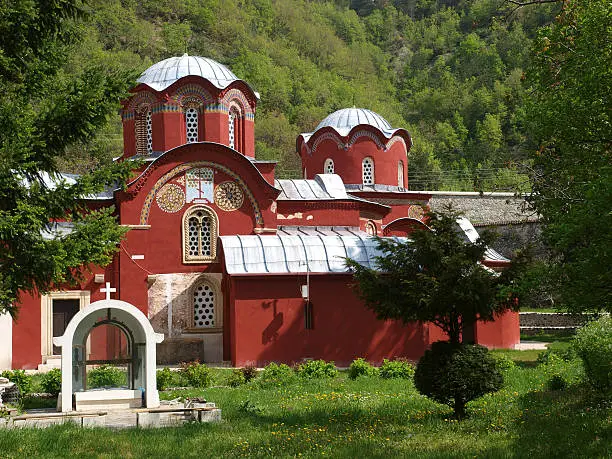
Patriarcat de Peć (Monastère orthodoxe serbe de Peć)
Siège historique de l'Église orthodoxe serbe, le Patriarcat de Peć regroupe quatre églises médiévales ornées de fresques byzantines, classées à l'UNESCO, au pied des gorges de la Rugova.
Want to discover this destination?
Our local advisors design your tailor-made trip.