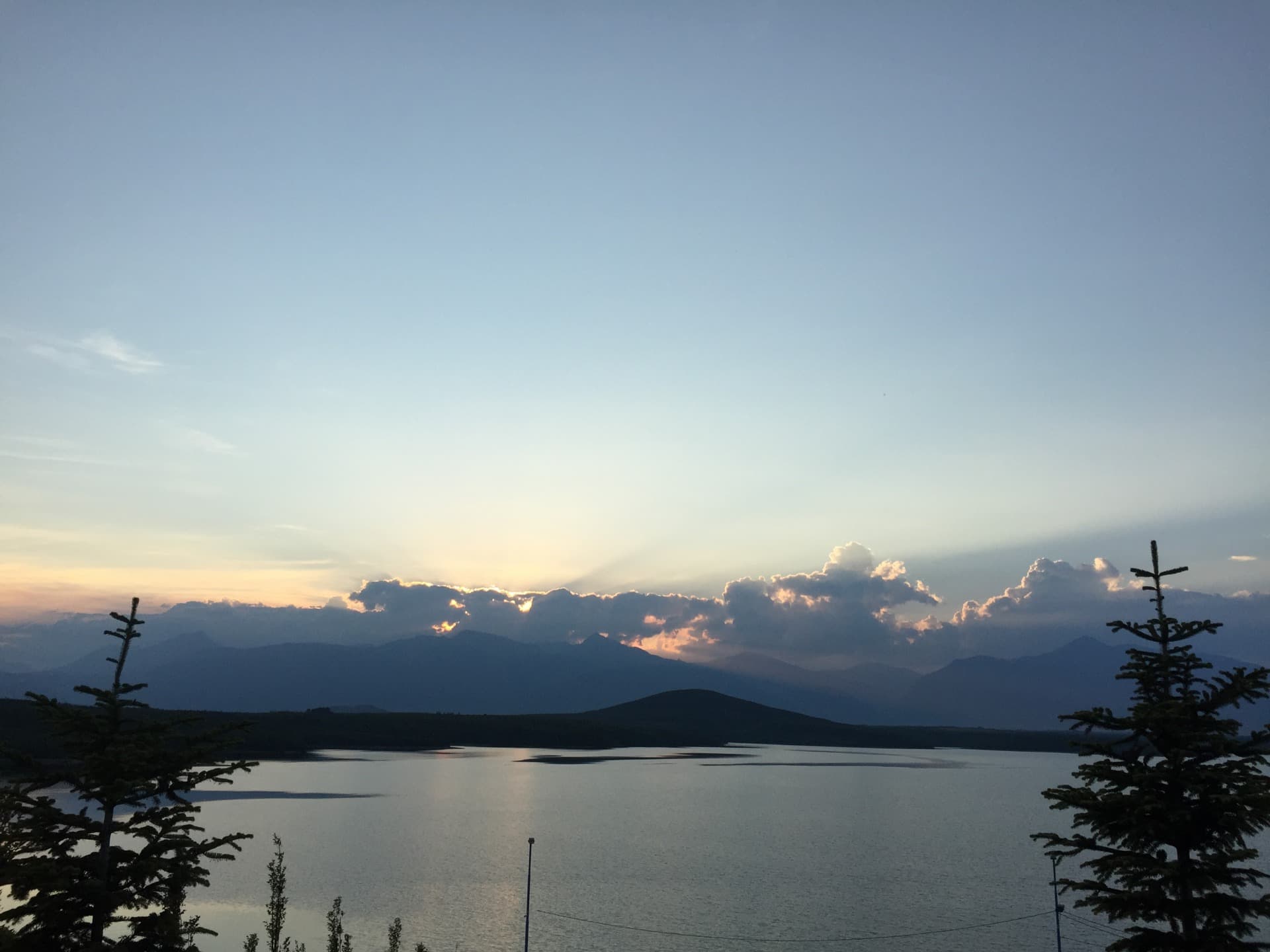
Lake Radoniqi
Lake Radoniqi
An artificial reservoir located 10 km from Gjakova, Lake Radoniqi conceals a submerged village and a rich history. Practical guide to visiting.
Lake Radoniqi (Liqeni i Radoniqit in Albanian, Radonjićko jezero in Serbian) is an artificial reservoir located in western Kosovo, approximately 10 km from Gjakova. Filled in 1983, it serves the drinking water supply and agricultural irrigation needs of the entire Dukagjin region. With its 5.62 km² surface area and 60-meter depth, it is the country's second-largest lake and a site laden with recent history.
Geographic note: although this entry appears in the Albanie guide, Lake Radoniqi is administratively located in Kosovo, in an area close to the Albanian border and easily accessible from Gjakova.
Why visit Lake Radoniqi
The site combines several features that distinguish it from typical Balkan beach destinations:
- A reservoir landscape surrounded by wooded hills, away from mass tourism circuits
- A dense history, both technical (major hydraulic project of the 1970s–1980s) and tragic (1998 massacre)
- A submerged village whose church partially reappears during low-water seasons
- A practical base for exploring Gjakova, Rahovec, and Pejë
Allow 1 to 2 hours to walk around the viewpoint and follow a portion of the shoreline. Fishing and hiking enthusiasts can plan for half a day.
History of the lake and submerged village
In May 1978, the investment group Hidrosistemi « Radoniqi » was established to oversee the construction of the dam and associated irrigation network. The project required considerable resources and resulted in the displacement of residents from the village of Radoniqi, which would give the lake its name.
The reservoir filling began in March 1983. The waters submerged the former village, its homes, and its church. When water levels drop at the end of summer or during dry years, the top of the church resurfaces: this is one of the site's most striking visual elements, regularly photographed by visitors.
The massacre of September 9, 1998
During the Kosovo war, on September 9, 1998, the area around Lake Radoniqi witnessed a massacre in which 34 to 39 Albanian, Roma, and Serbian civilians were killed by UÇK fighters. The operation was presented by its perpetrators as retaliation for Yugoslav artillery bombardment of neighboring villages. The facts have since been documented by several international organizations and have been the subject of legal proceedings. The lake has no official memorial, but this context is part of the place's identity for local residents.
What to see
The dam and viewpoints
The dam offers an unobstructed view of the water expanse and surrounding hills. Several parking areas allow you to stop along the shoreline and observe the contrast between the dark blue reservoir and the cultivated slopes.
The submerged church
Visible only when the lake level is low (often at the end of the dry season), the tip of Radoniqi church marks the presence of the drowned village. This is a detail worth checking before your visit if you wish to see it.
Fishing
The lake is populated with trout and carp. Fishing is practiced from the shores, in compliance with local regulations. There is no organized tourist infrastructure: bring your own equipment.
Hiking
Several unmarked trails allow you to walk along parts of the shoreline or climb the nearby heights. Routes remain poorly documented: a local guide or offline mapping app is helpful.
Practical information
- Swimming: prohibited (the lake is a drinking water reserve)
- Water activities: canoeing and kayaking occasionally possible, with no organized rentals on site
- Dining: no permanent facilities at the lakeside; restaurants in Gjakova or nearby villages
- Accommodation: Gjakova recommended as a base
- Development level: minimal; bring water and provisions
When to go
May to September offers the most favorable climate, with mild to warm temperatures and limited rainfall. Spring brings out wildflower meadows around the lake, while late summer more often reveals the submerged church due to lower water levels. In winter, secondary roads can be difficult to access.
How to get there
By car
From Pristina, allow 1.5 to 2 hours via the R7 motorway toward Pejë. After Malisheva, follow signs to Gjakova, then head south toward Rahovec: the lake is just nearby. From Gjakova, the journey is about 10 km.
By bus
Pristina is served by regular buses to Gjakova, Pejë, and Prizren. No buses serve the lake directly: from Gjakova, arrange a taxi or rental vehicle for the final kilometers.
Nearby attractions
- Gjakova: historic center with its restored Ottoman bazaar, 10 km away
- Rahovec: wine region, about twenty kilometers away
- Pejë and the UNESCO-listed Patriarchate Monastery, accessible in less than an hour
To extend your itinerary toward the Albanian coast, several sites are worth visiting: Rozafa Castle in Shkodër, Llogara National Park, or the Albanian Riviera.
Frequently asked questions
Frequently asked questions
Plan your trip
Lake Radoniqi naturally fits into a regional circuit combining Ottoman heritage, recent Balkan history, and mountain landscapes. To build a complete itinerary including must-see sites in the region, consult our trips to Albanie.
Interested in this visit?
We can include it in your personalised itinerary.