Gjirokastër
Gjirokastër
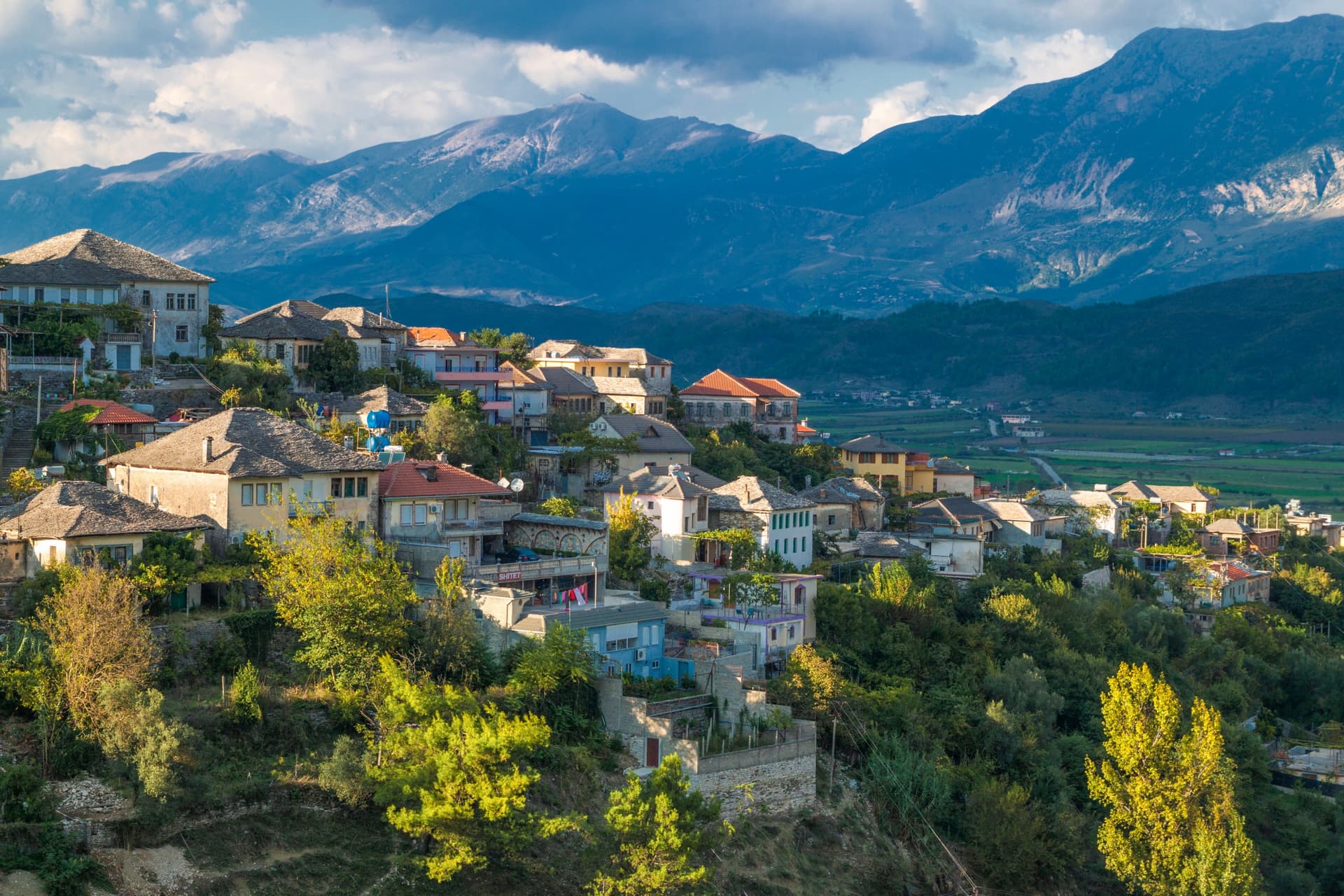
A museum-city and UNESCO World Heritage site in southern Albanie, Gjirokastër aligns its grey stone roofs above the Drino Valley. Ottoman architecture, communist heritage and countryside tables.
As its UNESCO World Heritage-listed citadel presides over the slopes of the Gjerë mountains, a patchwork of farmland sprawls at its feet, stretching toward the vast plains of the Drino Valley on the horizon. Welcome to Gjirokastër, an Albanian city where history and nature intertwine to captivate its visitors.
History
Traces of habitation dating back to the first century B.C. have been discovered in Gjirokastër. Probably founded in the 12th century, the city became commercially known under the name Argyrópolis, or "city of silver," during the Byzantine Empire era. The city was among the territories of the Despotate of Epirus in the 14th century, before Ottoman conquest in 1417. Its textile market and dairy products allowed it to flourish throughout the 17th century. In 1811, the powerful Albanian governor Ali Pasha took control of Gjirokastër. He fortified its defenses and commissioned the construction of an aqueduct nearly six miles long to ensure the citadel's water supply. Unfortunately, the canal was destroyed in 1932.
At the end of the 19th century, the city became a seat of resistance against Turkish rule. The Greeks later claimed administration of the territory in the first half of the 20th century. French troops occupied Gjirokastër during World War I, before Albanie reclaimed it. During World War II, the city passed successively under Italian rule in 1939, Greek in 1940, then German, but finally returned to Albanie in 1944.
Gjirokastër evolved commercially and industrially under post-war communist rule in Albanie. The government elevated it to the status of "museum-city" due to its state of preservation and the presence within it of the birthplace of Enver Hoxha, the first secretary of the Party of Labor of Albanie. The dictator's residence was transformed into a museum dedicated to his history and accomplishments.
With the decline of communist rule in 1991, several economic problems affected Gjirokastër, beginning with massive emigration to Italy and Greece, followed by the collapse of the Ponzi scheme in March 1997 under the presidency of Sali Berisha. Insecurity and civil war ensued, forcing the president to resign. On December 16, 1997, Hoxha's birthplace was destroyed in a bombing. After this dark period, the cooperation agreement between Greece and Albanie signed in 1996 gave Gjirokastër a new lease on life.
Gjirokastër Today
Situated an hour's drive from Saranda, Gjirokastër is a wonderful place to escape the ordinary. The views are striking both in the winding alleyways of the old town and from the castle's balconies, but especially from the former historical museum located in the city's heights.
What to See in Gjirokastër?
A must-see, the vast Gjirokastër Fortress overlooks the valley. You'll find several museums and a former prison there. Next, head to Skenduli House, hidden among the whitewashed cottages in the old town. It's a perfect example of Ottoman architectural style, preserving intricate woodwork and frescoes laden with memory. In the same spirit, discover Zekate House, known for its splendid rooms with panoramic views.
From Gjirokastër's main bazaar, the winding uphill alleys of the old town lead to a rough trail that connects directly to the valley. Among the slopes carved behind the city, the ruins of Ali Pasha Bridge offer a peaceful setting and a fine photography spot away from civilization. The more adventurous can extend their excursion into the plains and wooded valleys, hike along the ridges, search for turquoise water pools, or visit the historical monuments dotting this privileged region of Albanie.
Climate
Due to its position between the interior Highlands and the lowlands of western Albanie, Gjirokastër enjoys a Mediterranean climate characterized by hot summers, with relatively higher annual precipitation than other cities in the region.
The SH4 highway connects Gjirokastër to Tepelenë in the north and to Dropull toward the Greek border in the south. Most buses departing from Tirana and Saranda, if they don't take the coastal route, pass through the city.
In Tirana, buses to Gjirokastër depart from the southern bus station, near the eagle monument. The journey takes approximately three hours. From Saranda, daily buses stop at Gjirokastër en route to Tirana, and vice versa. Departures are generally before noon. The journey from Saranda to Gjirokastër takes just over an hour. Buses drop you off on the highway from where you can take a taxi or walk to reach the old town.
To leave Gjirokastër, head to the Kastrati gas station on the main road, where buses pass toward Tirana and Saranda, as well as to Berat, Durres, Korce, and Vlora. Services are limited on Sundays.
UNESCO World Heritage cities are best discovered on foot. Wear sturdy hiking boots, bring a camera, and let the winding alleyways guide you to Gjirokastër's best viewpoints.
Want to discover this destination?
Our local advisors design your tailor-made trip.