The Junik Mountains
The Junik Mountains
On the Albanian-Kosovo border, the Junik Mountains are home to Djeravica, Kosovo's highest peak, glacial lakes, and a network of trails within the Cursed Mountains National Park.
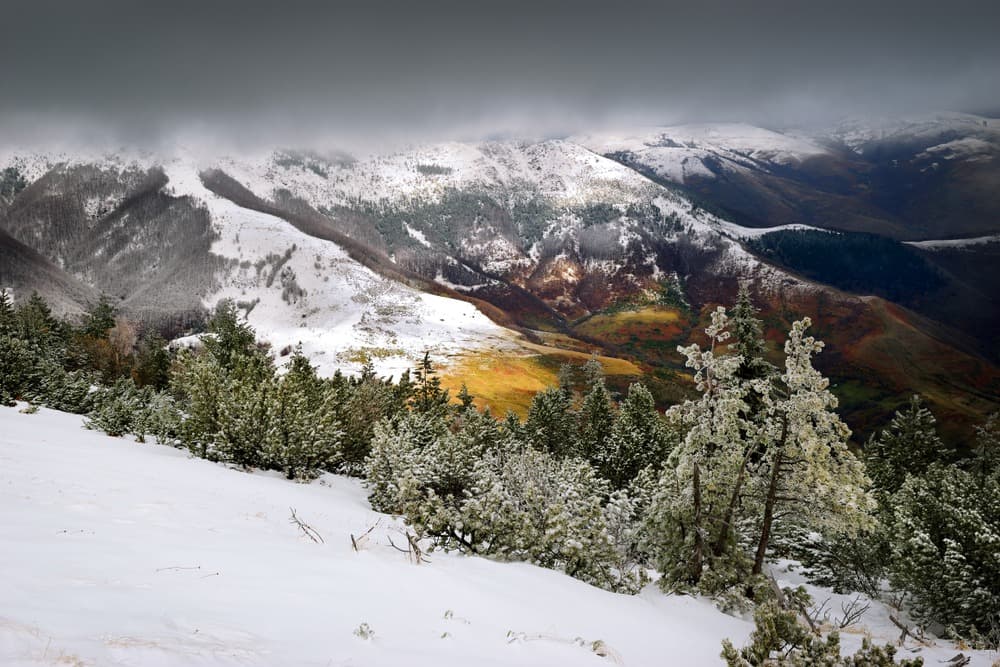
In far western Kosovo, the Junik Mountains rise their crests above the small town of the same name, on the border between Albania and Kosovo, in the Metohija region. This massif is part of the Cursed Mountains National Park (Bjeshkët e Nemuna) and brings together glacial lakes, high-altitude trails, and the country's highest peak.
Why visit the Junik Mountains?
The massif combines several rare assets in the Western Balkans. It is home to Kosovo's highest summit, Djeravica (2,656 m), a network of glacial lakes including one shaped like a heart, and a memorial heritage linked to the Kosovo war. The region remains largely untouched by international tourism, making it a preserved hiking terrain for independent walkers.
The Junik Mountains are part of the Prokletije chain (the Cursed Mountains), which extends west into Albania and north to Montenegro. Mean elevations hover around 2,280 m, with glacial valleys carved during the Quaternary period and forest cover of beech and pine lower down.
History: the Battle of Košare
The slopes of the Junik Mountains and the foothills of the Prokletije witnessed the Battle of Košare in the late 1990s, during the Kosovo war. The confrontation pitted forces of the Federal Republic of Yugoslavia against Albanian and NATO forces, resulting in many military casualties. Even today, memorials and markers dot the area, and some trails pass through former combat zones. It is recommended to stay on marked paths due to residual risks of unexploded ordnance in the most remote areas.
What to see and do
Djeravica Peak
Djeravica (sometimes spelled Gjeravica) reaches 2,656 m, about 8.5 km northwest of Junik. It is generally recognized as Kosovo's highest peak, ahead of Rudoka in the Šar Mountains. The ascent requires no climbing equipment in summer: it is a demanding but non-technical high-mountain hike, suitable for experienced hikers.
Glacial Lakes
The summit area concentrates several glacial lakes of varying sizes. Djeravica Lake is the largest. Another smaller body of water is known for its heart shape, visible from the surrounding ridges. These lakes serve as natural landmarks for hikers and informal bivouac points.
Hiking and Activities
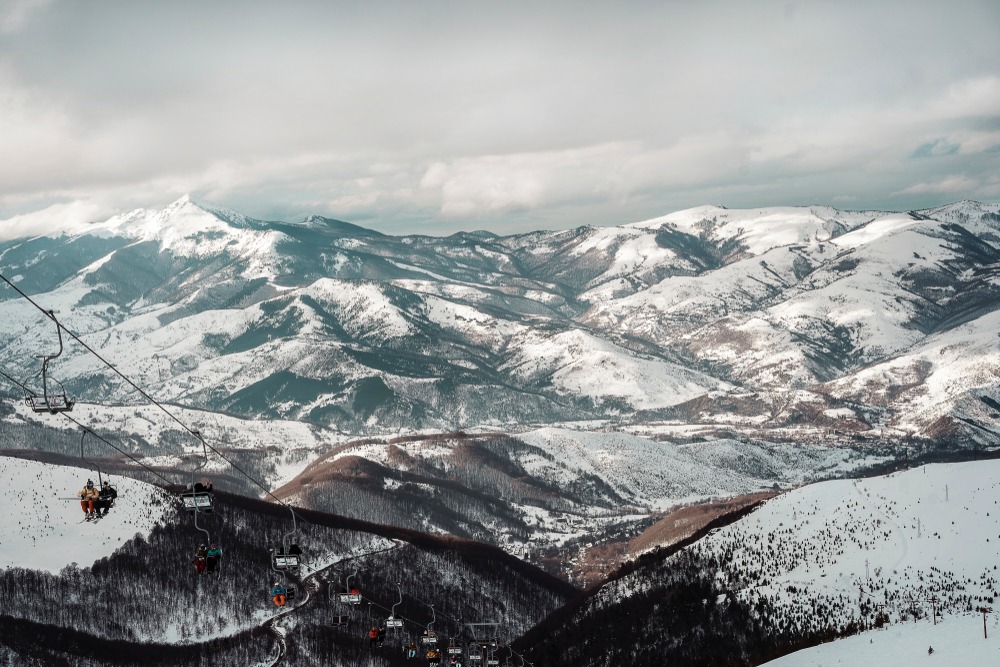
The trails of the Cursed Mountains National Park allow for day trips or multi-day crossings, sometimes across borders (Peaks of the Balkans). In winter, parts of the massif are suitable for ski touring and snowshoeing, though local equipment is limited: this is self-supported hiking rather than developed resort skiing.
When to Go
The hiking season runs roughly from late May to late September, when snow has melted from the heights. Summer remains rainy in this part of Kosovo: plan protection against afternoon storms. For winter sports, the season runs from December to April, with snow cover varying by year.
How to Get There
From Kosovo, access is via the town of Junik, connected by road to Gjakova and Pristina. Many hikers depart from Dečani, east of the massif, to reach Djeravica via eastern valleys. From the Albanian side, access is via Tropojë, in the Valbona Valley. A personal vehicle or local transfer is recommended: public transport is limited to inter-city connections, and the final stretch to trailheads is typically covered on foot or by 4x4.
Practical Information
- Required level: good physical fitness, high-altitude hiking experience for Djeravica.
- Equipment: mountain boots, windproof jacket, plenty of water, offline map or GPS trace (mobile coverage uneven).
- Accommodation: guesthouses in Junik, Dečani, and Peja; informal mountain refuges.
- Local guides available in Peja and Dečani, recommended for cross-border itineraries.
Things to Do Nearby
- Town of Junik: the Hoxha family kulla, the Kulla Jahë Imeri, and the two-minaret mosque in the Lagja-Qoka neighborhood.
- The Rugova Gorges near Peja, another gateway to the Cursed Mountains National Park.
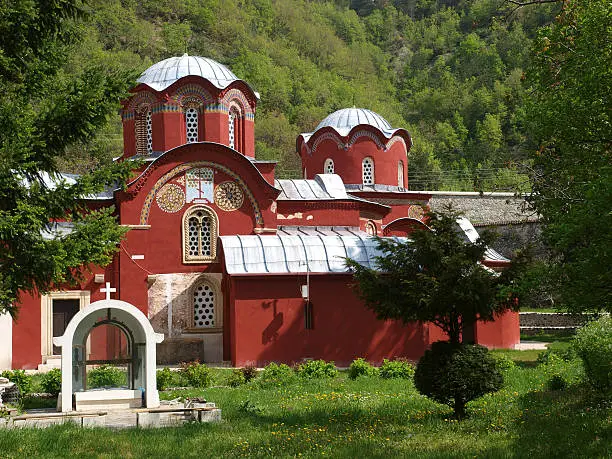
- Dečani Monastery, listed as UNESCO World Heritage.
Frequently Asked Questions
Frequently asked questions
Djeravica, at 2,656 m, generally recognized as Kosovo's highest summit. It is located approximately 8.5 km northwest of the town of Junik.
Summer ascent requires no technical equipment but demands good physical fitness and a full day. A local guide is recommended for hikers unfamiliar with Balkan terrain.
Yes, access from Albania is via Tropojë and the Valbona Valley. Several cross-border itineraries, including the Peaks of the Balkans trail, traverse the massif.
Frequently used trails are safe, but the area witnessed the Battle of Košare. Stay on marked paths and avoid wandering into remote areas without a guide.
Late May through late September, favoring July and August for stable high-altitude conditions. Summer storms remain frequent in the afternoons.
Plan the Rest of Your Trip
The Junik Mountains fit naturally into an itinerary across western Kosovo, between Ottoman heritage and high-altitude nature. To build a broader journey, explore our Kosovo travel ideas, and enhance your route with other stops such as the Pristina Bear Sanctuary or the Gazimestan Memorial.
Interested in this visit?
We can include it in your personalised itinerary.